Byelections in regional NSW do not usually become national political events.
But as voting day approaches in Farrer, the sprawling rural seat has become one of the most closely watched contests in the country.
Held by the Coalition in one form or another since 1949, it's long been hailed as a safe conservative seat.
READ MORE: Liberal Senator's scuffle with One Nation volunteer at Farrer poll booth
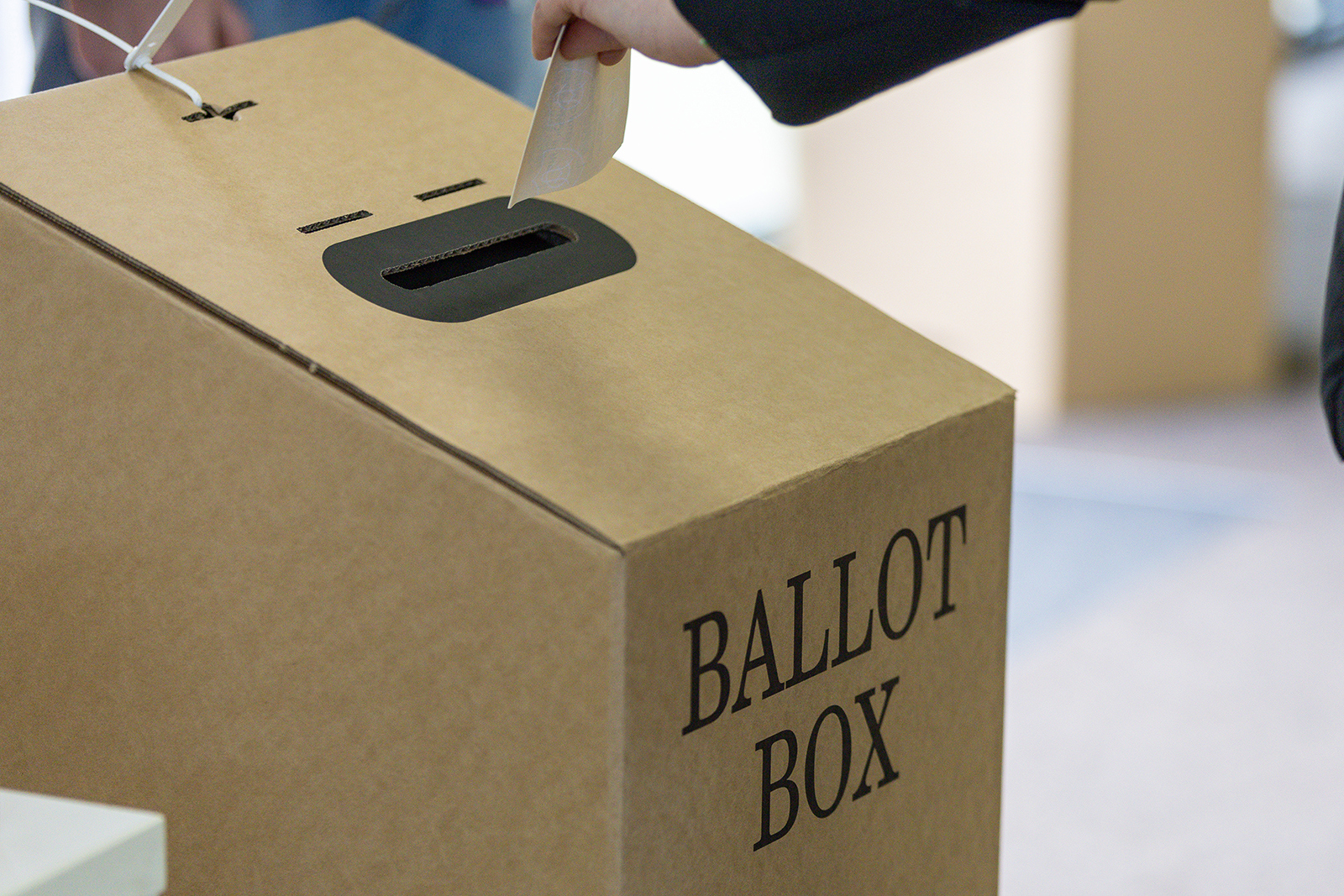
But that 75-year streak faces a historic challenge as the contest to fill Sussan Ley's seat turns into a tight battle.
For voters outside the electorate, Saturday's result could signal where regional Australia – and arguably the country as a whole – is heading politically.
So, why is everyone suddenly talking about Farrer?
What is Farrer?
Farrer is a massive federal electorate covering south-western NSW, stretching from Albury on the Victorian border across the Riverina and out towards the South Australian border.
The second-largest electoral division in NSW, it spans more than 120,000 square kilometres. It takes in Albury, Griffith, Leeton and Deniliquin, alongside smaller farming towns and remote communities.
Since its inception, the seat has been held by either the Liberals or the Nationals, making it one of the Coalition's longstanding regional strongholds.
In 2026, this is not the case.
READ MORE: Sussan Ley's parting gift leaves Angus Taylor with messy early hurdle
How did we get here?
The byelection was triggered after former Liberal leader Sussan Ley resigned from parliament after losing the party leadership.
She had held the seat for 25 years but stepped down after being defeated by Angus Taylor in a February leadership spill.
Her departure carved out a rare opening in a seat normally protected by the Coalition agreement between the Liberals and Nationals.
Under that arrangement, the two parties usually avoid competing in certain regional electorates to prevent conservative votes from being split. However, when a seat becomes vacant, this does not apply.
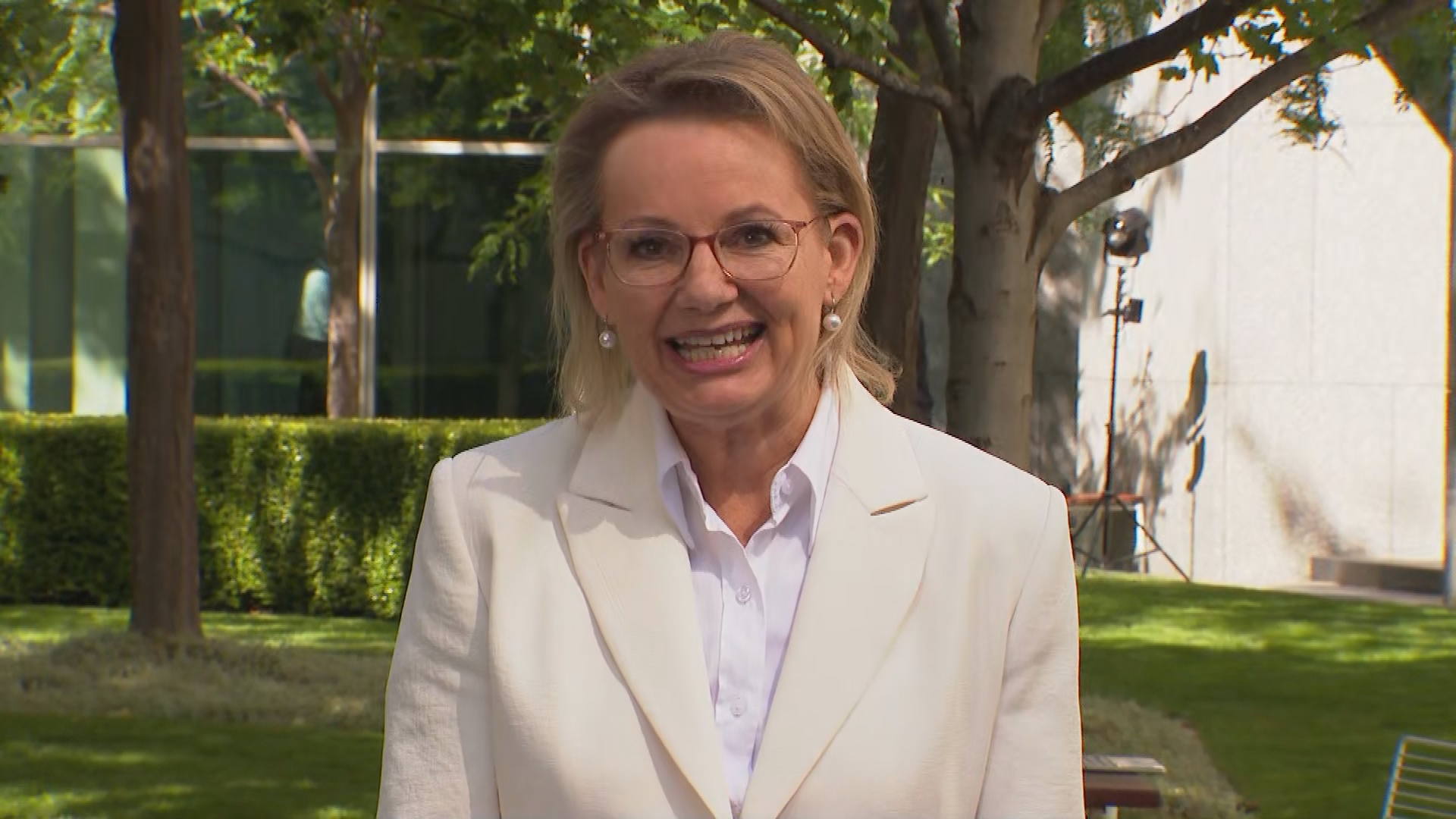
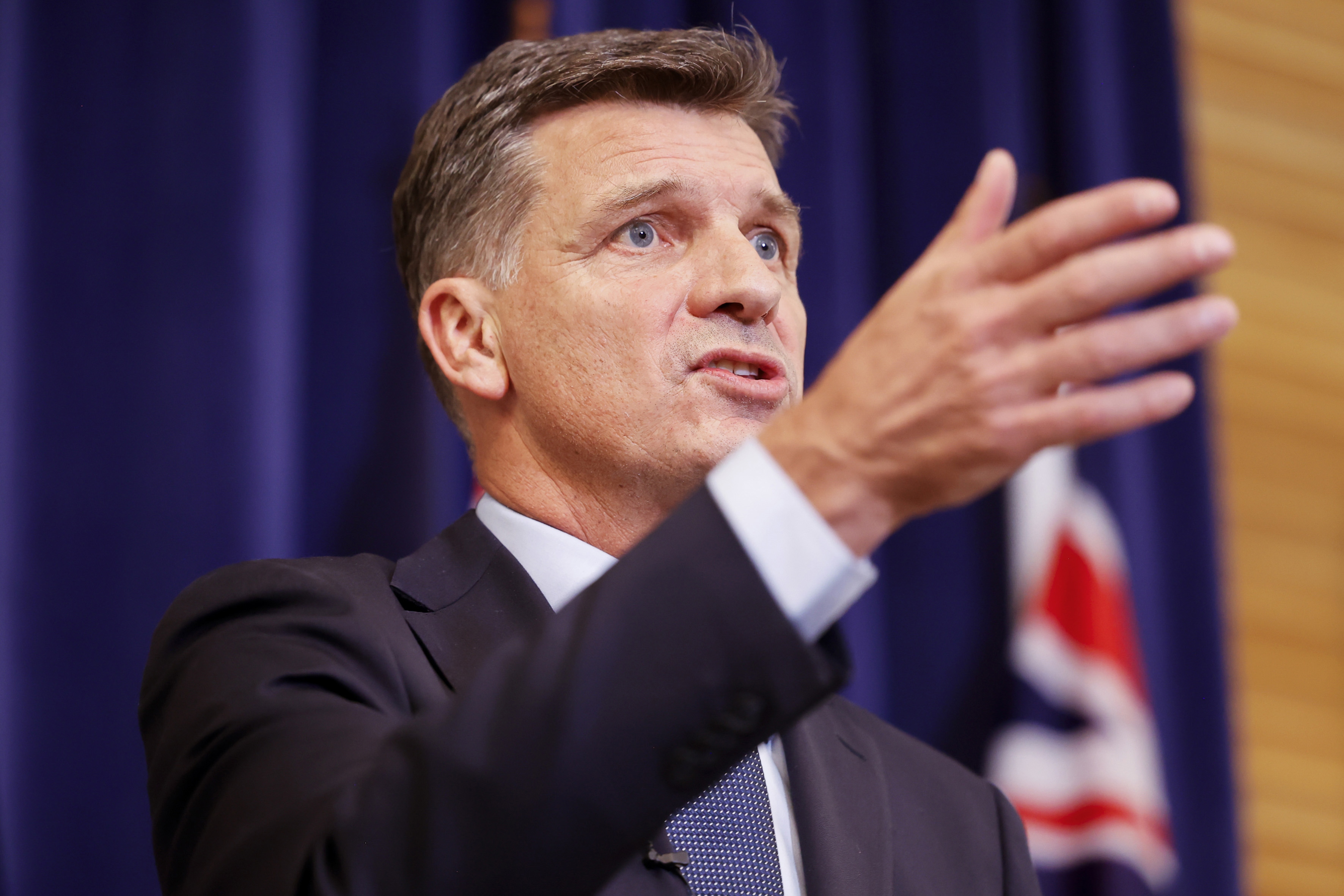
This byelection is also the first major test for the Coalition since Taylor took over the Liberal Party following a period of intense internal friction and two brief splits between the Liberal and National parties.
With the Coalition's primary vote under pressure and One Nation surging in regional polling, Farrer is now a flashpoint.
Who is gunning for the seat?
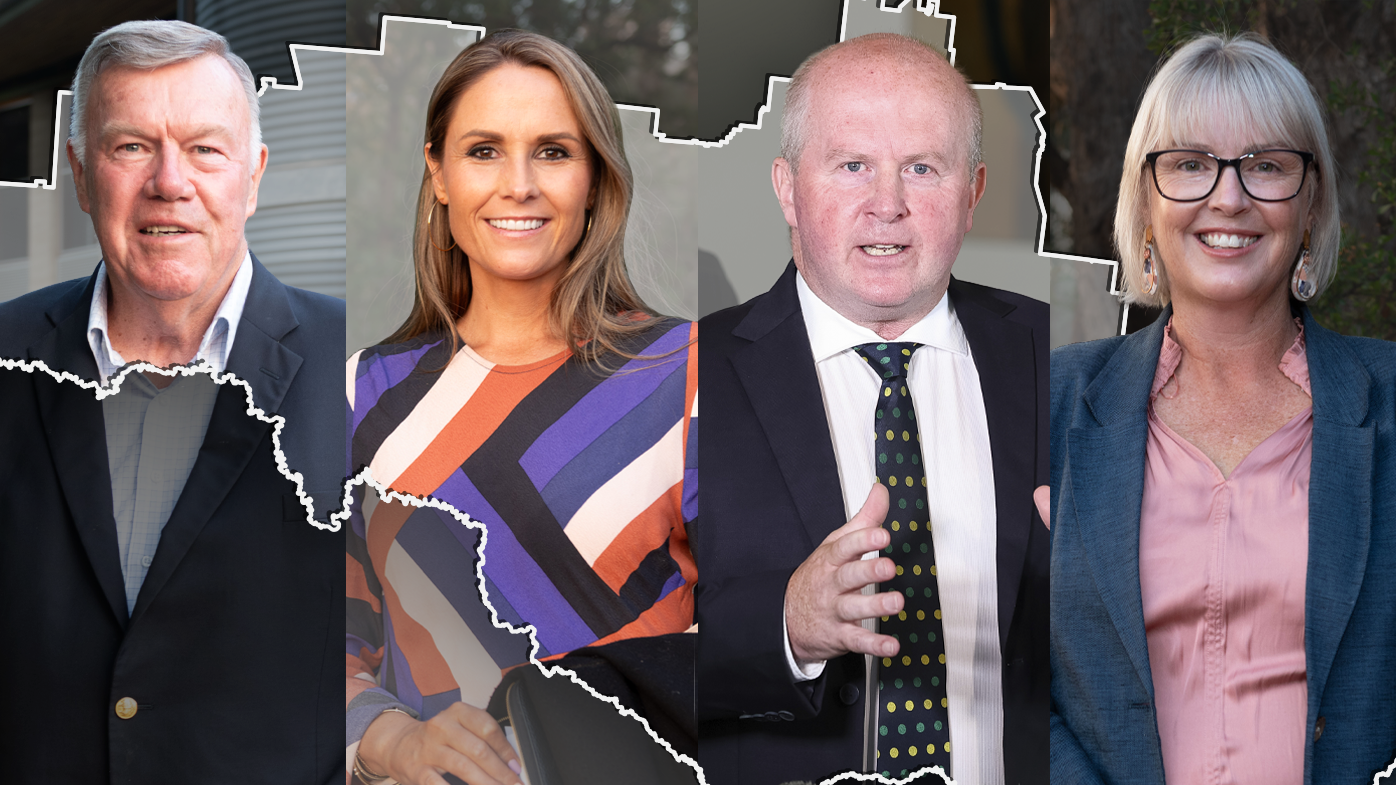
Twelve candidates will appear on Saturday's ballot paper, though the contest has largely narrowed to four key contenders. Notably, two of the candidates widely tipped to perform strongly are not from the major parties.
Independent candidate Michelle Milthorpe will be one to watch this weekend.
Having built a powerhouse base in Albury and its surrounds, she enters the race following a surge in the 2025 federal election that cut deeply into Ley's once-impenetrable margin.
One Nation candidate David Farley is gaining traction as the party capitalises on anti-major party frustration in the regions.
It would be remiss not to mention the stakes at play for One Nation – the party has maintained Senate representation federally for years but has never secured a lower house seat.
The Liberals are fighting to retain the seat with Albury councillor and lawyer Raissa Butkowski.
Meanwhile, the Nationals have put forward former Army colonel Brad Robertson in their first tilt at Farrer in decades.
Why this byelection matters nationally
All eyes are on this byelection to see whether conservative politics can recover its footing after months of infighting and electoral setbacks for the Coalition.
The outcome here could hint at whether the party is starting to regain public trust or if deeper challenges remain.
The Liberals are trying to prove they can still hold seats without long-serving incumbents carrying them over the line. At the same time, the Nationals want to show they remain the voice of regional Australia.
One Nation sees an opportunity to convert rising support into an actual lower house seat, while independents are on a mission to flip the vote and prove that regional voters are willing to ditch the major parties altogether.
Why the Nationals are such a big part of the story
The Nationals' involvement has added another layer of tension, as Farrer sits in territory that many within the party still regard as voter heartland.
Former deputy prime minister Tim Fischer held the seat before Ley, and the Nationals continue to wield power in several neighbouring regional electorates across NSW and Victoria.
Although the Coalition agreement kept the party out of Farrer for years, Ley's resignation reopened the door.
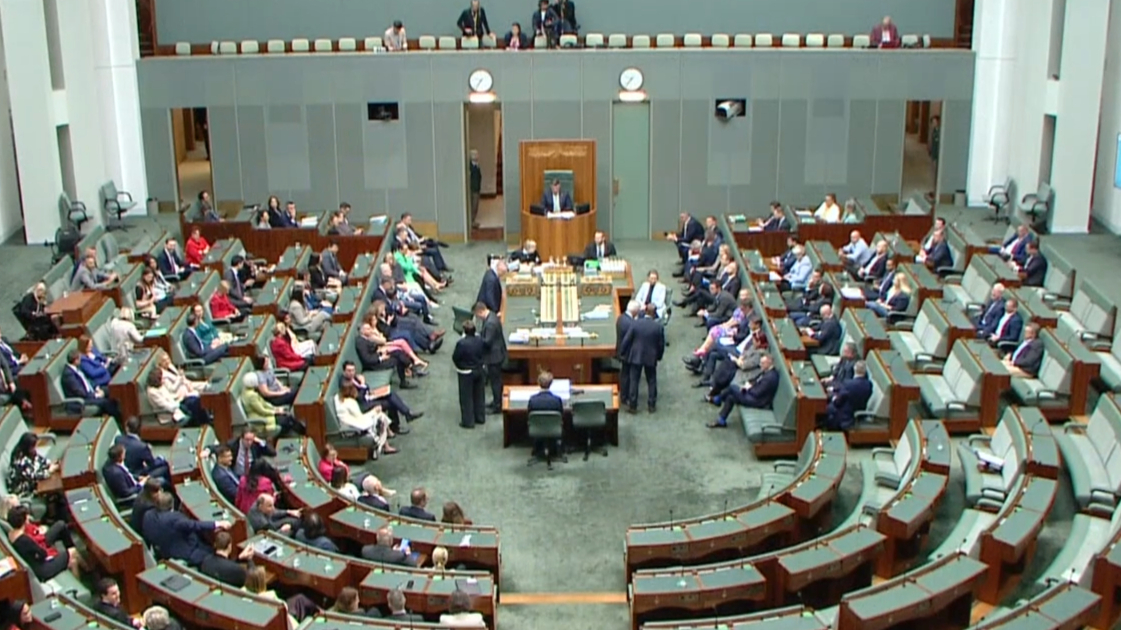
The Nats are vying to reassert themselves in a seat with deep regional roots at a time when support for the major parties is dwindling.
If they perform badly – particularly if One Nation overtakes them in regional booths that would traditionally lean conservative – questions will no doubt arise about how secure the party's rural base really is heading into the next federal election.
READ MORE: Government pulls the plug on Barnaby Joyce 'pet project'
Why people are calling it a warning sign for the Coalition
Farrer has become a focal point because it captures a problem the Coalition has been battling nationally for years: conservative voters are no longer moving in the same direction.
Some are backing independents focused on local representation, accountability and regional issues. Others are drifting towards parties like One Nation, particularly in communities frustrated by cost-of-living concerns, fuel prices, water policy, and distrust of major parties.
That leaves the Liberals and Nationals squeezed from both sides.
In a general election, those patterns can be harder to spot as attention is spread across dozens of seats. In a single-seat byelection, the trend becomes harder to ignore.
What issues matter most locally?
Water policy looms over almost every conversation in Farrer.
The electorate spans parts of the Murray-Darling Basin, meaning debates over irrigation, water buybacks and agricultural access carry significant political weight across the region.
Regional healthcare, roads, fuel prices, farming and the broader cost of living are also dominating the campaign, particularly in smaller communities where access to services remains a concern.
NEVER MISS A STORY: Get your breaking news and exclusive stories first by following us across all platforms.
- Download the 9NEWS App here via Apple and Google Play
- Make 9News your preferred source on Google by ticking this box here
- Sign up to our breaking newsletter here
from 9News https://ift.tt/8UoPe5D
via IFTTT
Comments
Post a Comment