Victoria has approved what's touted to become the largest wind farm in the southern hemisphere, clearing the way for a massive renewable energy project despite fierce opposition from locals.
The proposed Warracknabeal Energy Park will span about 26,000 hectares of the state's north-west and is slated to include up to 219 turbines. It could supply enough power for 1.2 million homes.
But the windfarm has ignited furious pushback on the ground, with community groups and farmers warning it will devastate the region's identity.
READ MORE: House price slump could be coming after weeks of low auction sales
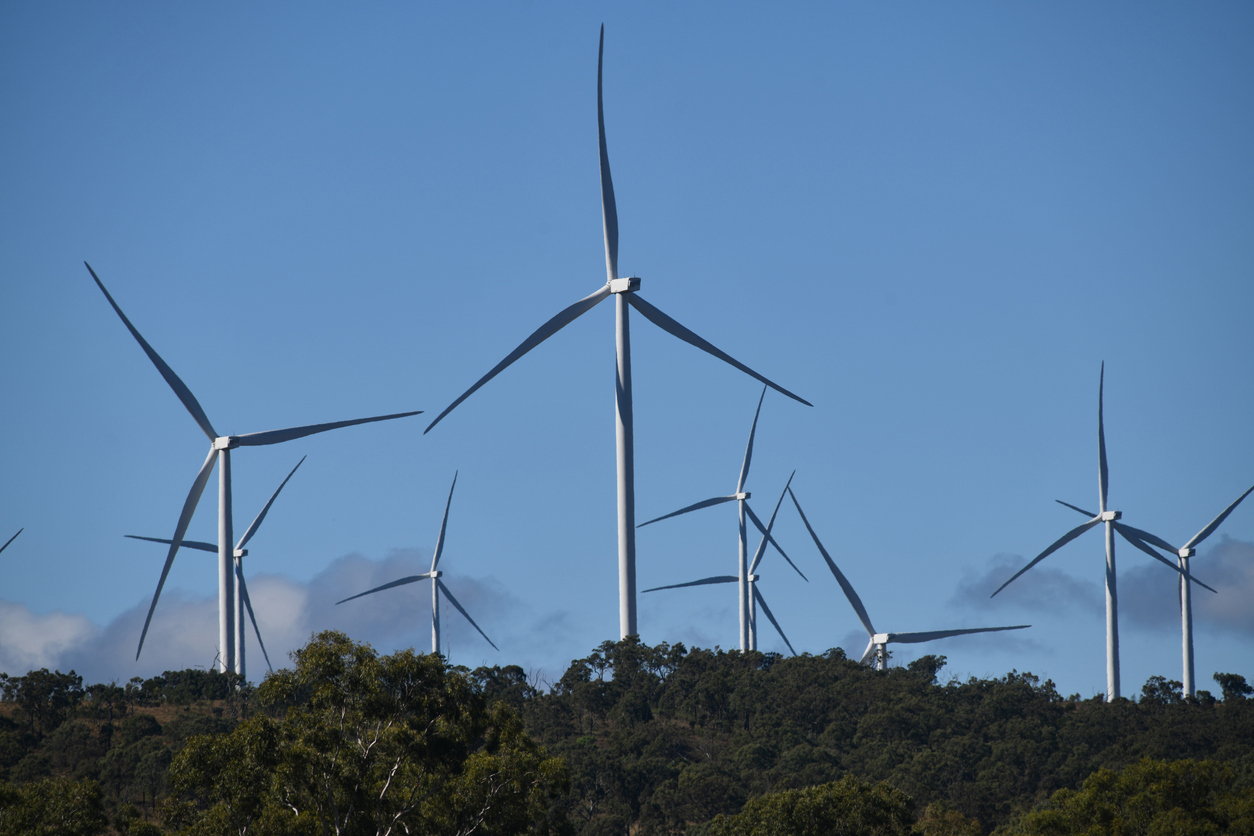
Grassroots opponents argue the state government has largely dismissed the environmental and community impacts.
Wimmera Mallee Environmental and Agricultural Protection Association president Ross Johns was born and bred in Warracknabeal and attended all 19 days of the planning inquiry.
Johns claimed there were "glaring omissions" in the final approval and that the minister had ignored key planning panel recommendations, citing the rejection of guidelines on meteorological towers and sound emission levels.
READ MORE: Man charged with murdering baby who died after weeks in hospital
"This is completely unreasonable and has not protected Australia's best interests," he said.
Among his other concerns are the infrastructure demands required to get it off the ground.
"There are 144,800 truck movements needed to build the project … that will completely destroy rural roads."
For those who have watched the town change over decades, the sprawling wind farm arrives at a time of economic anxiety.
Among them is one local, who has decided to remain anonymous, whose family has lived in Warracknabeal for generations.
Having witnessed a steady downturn firsthand, he said the town's vulnerability had the community on edge.
"I am very invested in this town, but the decline many of us have seen over the years is undeniable," he said. "There have never been so many closed shops. We are even losing our local doctor, who is moving to Ballarat."
READ MORE: Cairns father and spearfisher identified as victim of horror shark attack
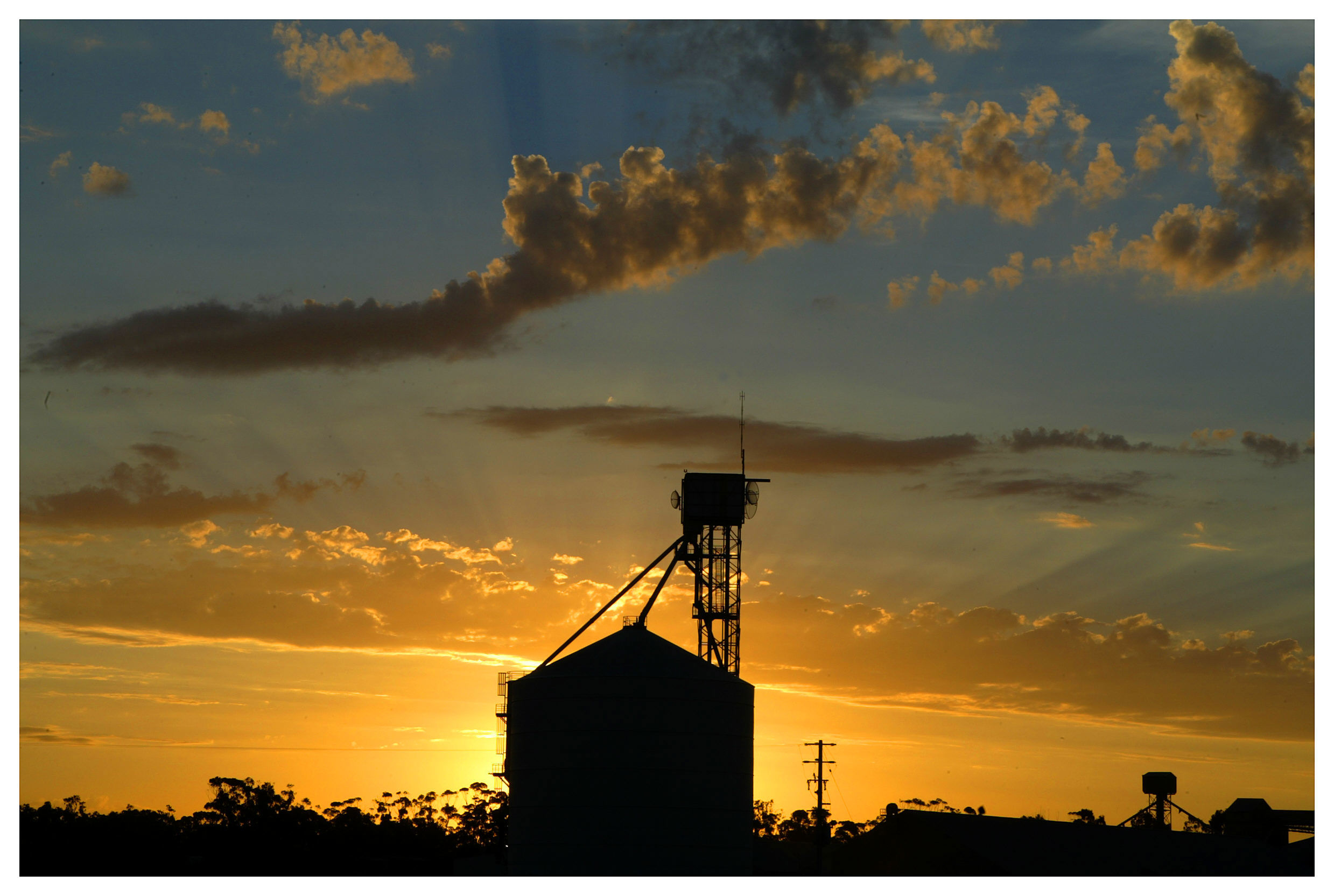
He noted that this economic stagnation had fuelled a massive political swing toward One Nation and cleared the path for what he described as "economically suicidal" local opposition.
"There is a severe lack of local counter-arguments to the massive misinformation being pushed out here regarding health effects, or claims that renewables simply don't work," he said.
Yarriambiack Shire Council said the approval came with a strict series of conditions covering biodiversity, water management, bushfire planning, traffic, cultural heritage, and environmental mitigation measures.
Mayor Andrew McLean described it as "a significant project not just for Yarriambiack, but for the state's energy transition plan". However, he stressed that the long-term impacts on agriculture and the local environment must be carefully managed.
While the council noted some concerns had been addressed – including water quality monitoring and formal consultation with local CFA brigades – it said several major issues remained unresolved, such as turbine setback distances, road degradation, and aviation safety hazards near Warracknabeal Airport.
The anonymous resident argued that the resistance was less about the turbines' physical footprint and more about what they represented to a changing community.
READ MORE: Two arrested over Ho Chi Minh City assassination of Australian gang figure
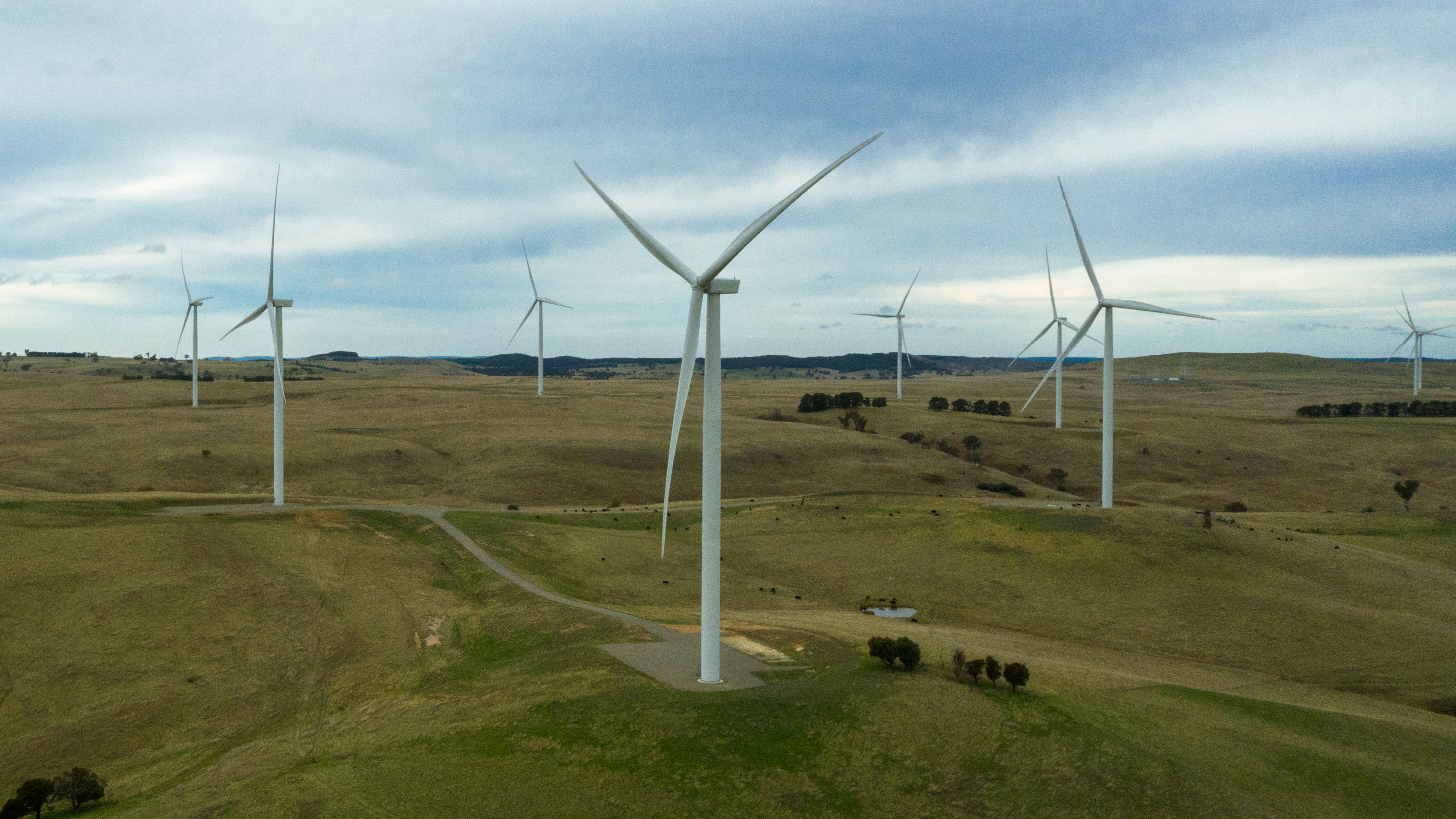
"Wind turbines and solar farms are visually associated with progressive politics, climate activism, and urban, elite values," he said.
"Conversely, coal, gas, and traditional grid infrastructure are associated with rural work, energy independence, and 'the way things were'."
"Opposing a wind farm isn't just about the wind farm – it's a way of resisting a worldview and a sense that rural communities are being remade to serve urban climate goals."
Despite the blowback, supporters maintain that such initiatives are critical as Australia moves to decommission its ageing coal-fired power fleet.
Monash University electrical and computer systems engineering Professor Behrooz Bahrani said investing in renewables is vital for national grid stability.
"Projects of this scale are important because Australia's electricity system needs large volumes of clean energy to replace ageing fossil fuel generation," Bahrani said.
"The more important question now is how these projects are integrated into the power system, including their connection design, control systems, storage integration, and ability to support the grid during disturbances."
The Warracknabeal Energy Park will still require federal environmental approval before construction can begin.
NEVER MISS A STORY: Get your breaking news and exclusive stories first by following us across all platforms.
- Download the 9NEWS App here via Apple and Google Play
- Make 9News your preferred source on Google by ticking this box here
- Sign up to our breaking newsletter here
from 9News https://ift.tt/Z82TBe0
via IFTTT
Comments
Post a Comment