The name of a chronically-misdiagnosed disorder which impacts an estimated 500,000 Australian women will be officially changed after almost a century.
In a landmark win for reproductive health advocates, Polycystic Ovary Syndrome (PCOS) will instead be globally recognised as Polyendocrine Metabolic Ovarian Syndrome (PMOS).
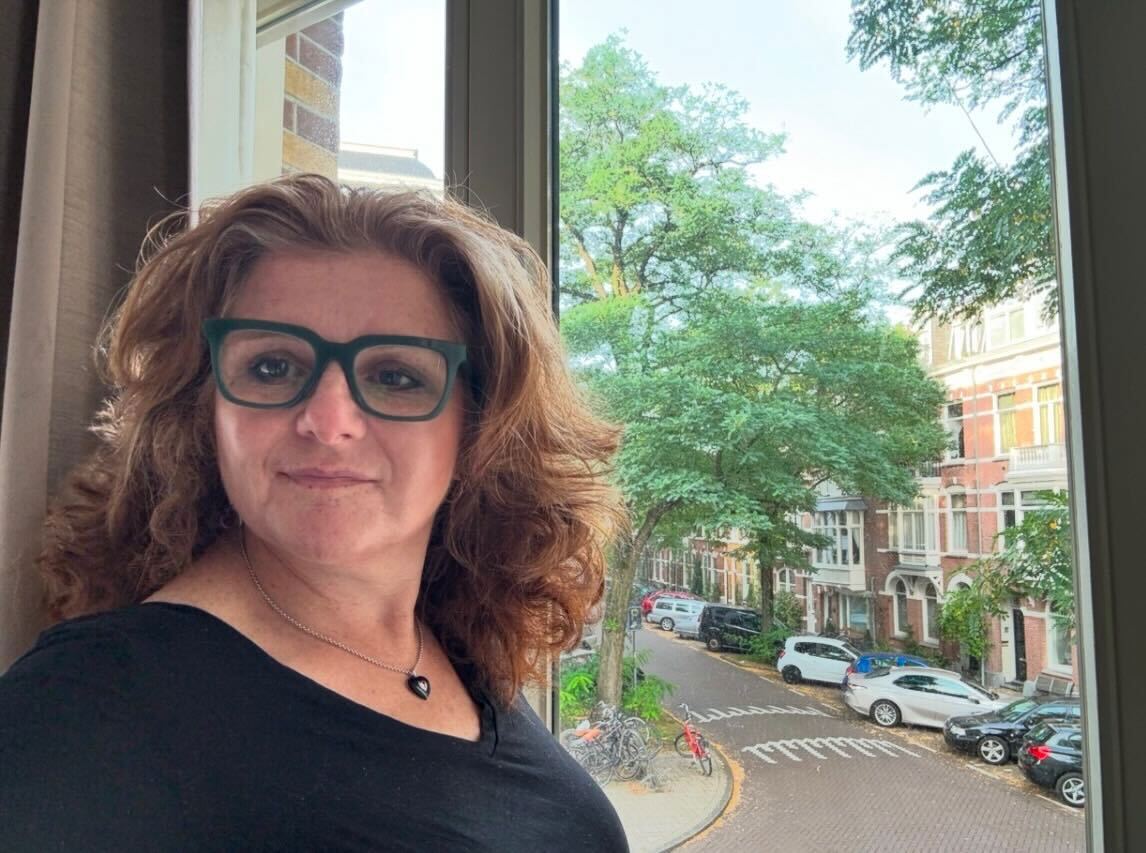
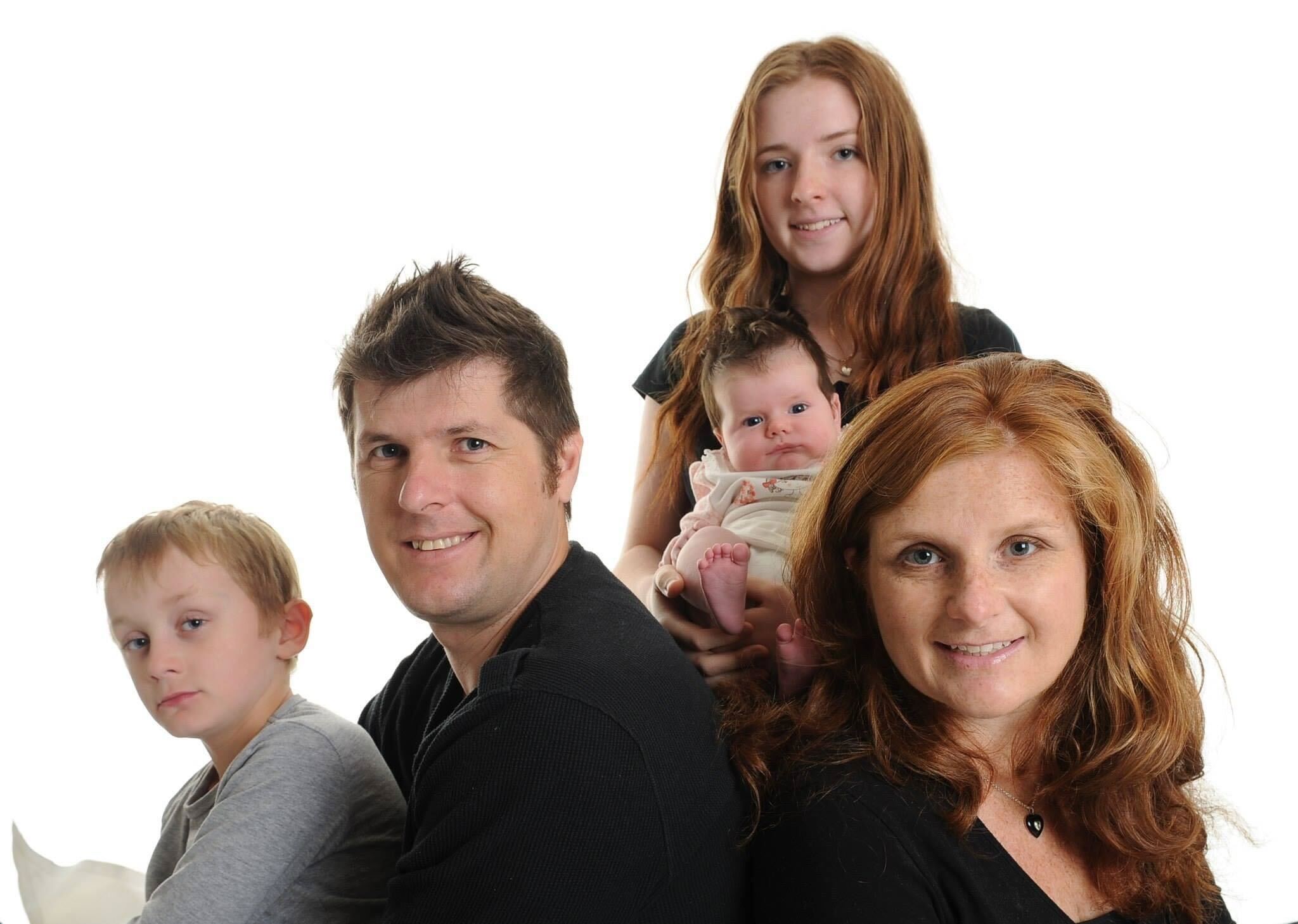
Melbourne woman Lorna Berry was belatedly diagnosed with what is now known as PMOS at age 32, almost two decades after she first developed symptoms as an teen.
EXCLUSIVE: 'Can't sleep, can't eat': Families say they are blocked from NSW prisons
EXCLUSIVE: Expat Annie decided to move back to the UK. She lasted just six months
She was part of the Australian contingent that spent 14 years calling for the name change.
"It is a long time between 13 and 32, but nobody questioned it. There were no serious questions, and I wasn't diagnosed until after I had my first child," Berry told Nine.com.au.
"This isn't for me, but my daughters and their daughters, and the women that haven't even been born yet.
"With the introduction of the word metabolic, it sort of eliminates the confusion around the origin of it and the management."
Since PCOS was first coined as a medical term in 1935, diagnosis and treatment has been centred around the ovaries and cysts.
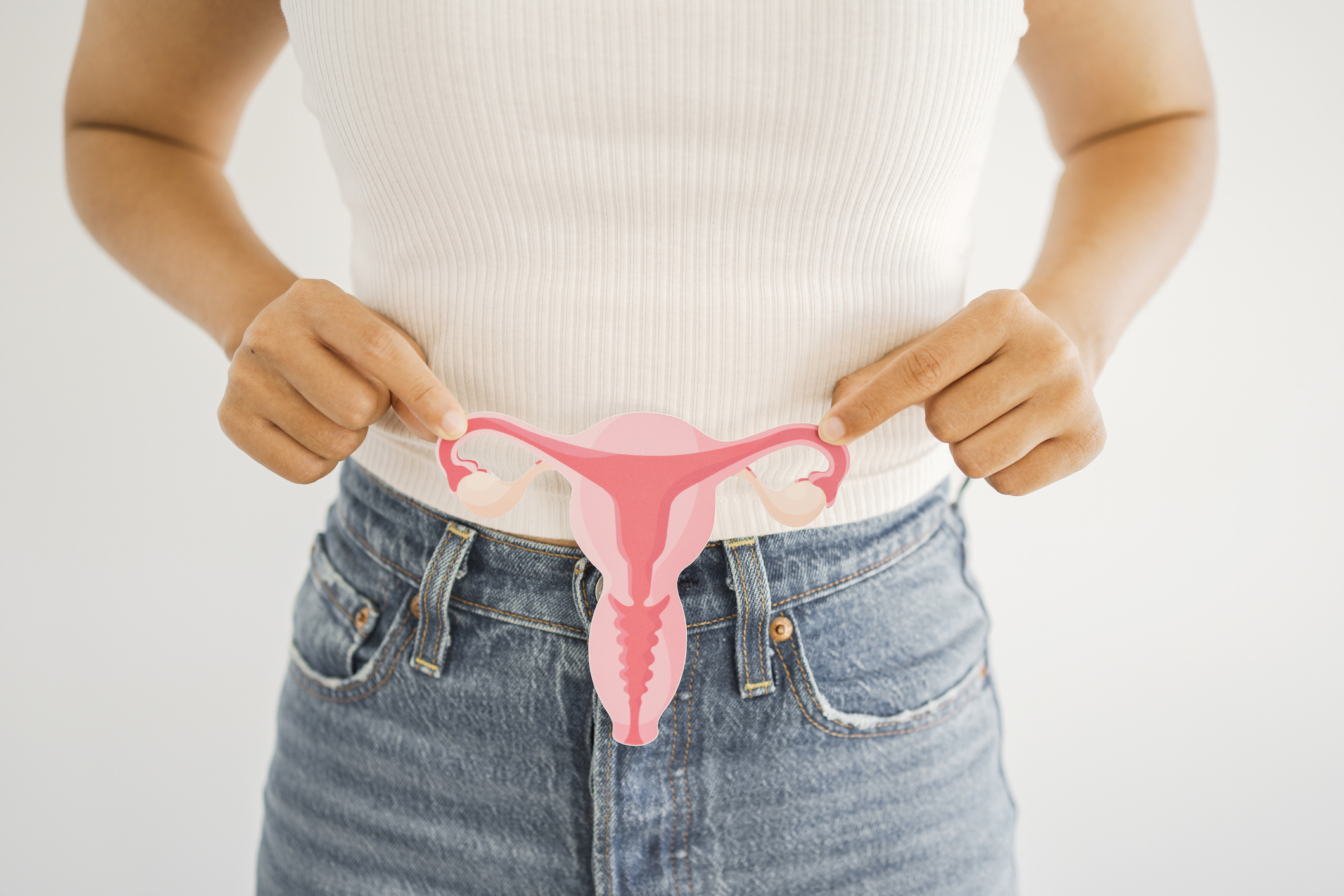
But nearly 100 years of medical progress has found the hormonal or endocrine disorder can severely affect multiple parts of the body, not just the ovaries.
Do you have a story? Contact reporter April Glover at april.glover@nine.com.au
Health professionals found the old name poorly reflected how PMOS can carry health risks of diabetes, heart disease, fertility issues and pregnancy complications, higher weight and endometrial cancer.
Berry, alongside fellow Monash advocates Helena Teede and Jillian Tay, conducted extensive research around this resulted in misdiagnoses, a lack of awareness and poor treatment plans.
"This is to start the next chapter – changing the name is not going to fix everything right now," Australian endocrinologist and director of the Monash Centre for Health Research and Implementation Professor Helena Teede said.
"It allows us to move on into a much broader way of researching, paving the way to better treatment, better medication, faster diagnoses.
"It won't happen overnight, but we really do encourage women to be empowered to speak to their GP and have more evidence-based discussion and understanding of the condition."
According to Monash-led research, 86 per cent of women with the disorder and 76 per cent of health professionals said "renaming PCOS would better reflect the condition".
PMOS patients around the world were asked to contribute their thoughts on what the name should be in a survey.
The change was formalised this week at the European Congress of Endocrinology.
It will involve a three-year transition period before PMOS is added to the 2028 International PCOS Guideline, which is used in 195 countries.
EXCLUSIVE: Residents of seaside Victorian town braced for Macca's battle
Berry said many women with PMOS symptoms had been either ignored by their doctors, told to lose weight or come back when they want to fall pregnant.
This can result in deades-long delays in diagnosis or pain management.
Some patients are wrongly told they would be unable to have children too.
Berry hopes future generations of women can avoid years of unnecessary pain.
"We need to not treat the disease as though it is something people choose to control or not control," she said.
"Then you can eliminate that old-school mentality of just being told to follow a diet and lose weight.
"Because early intervention, as with everything, is key."
For more information, visit the Monash Centre for Health Research and Implementation.
NEVER MISS A STORY: Get your breaking news and exclusive stories first by following us across all platforms.
- Download the 9NEWS App here via Apple and Google Play
- Make 9News your preferred source on Google by ticking this box here
- Sign up to our breaking newsletter here
from 9News https://ift.tt/Y69vtVq
via IFTTT
Comments
Post a Comment