A major change to how some older Australians receive their pension, an extra $10 fee for international travel and a looming rate-hike warning is buried in the 2026 Federal Budget papers.
The federal government delivered what it has described as its most significant budget of the 21st century, and aside from sweeping, generational tax reform, there are some key changes hidden in the thousands of pages.
Here's what else you might have missed.
WHAT'S IN IT FOR YOU? The winners and losers from the federal budget
International passengers to pay more
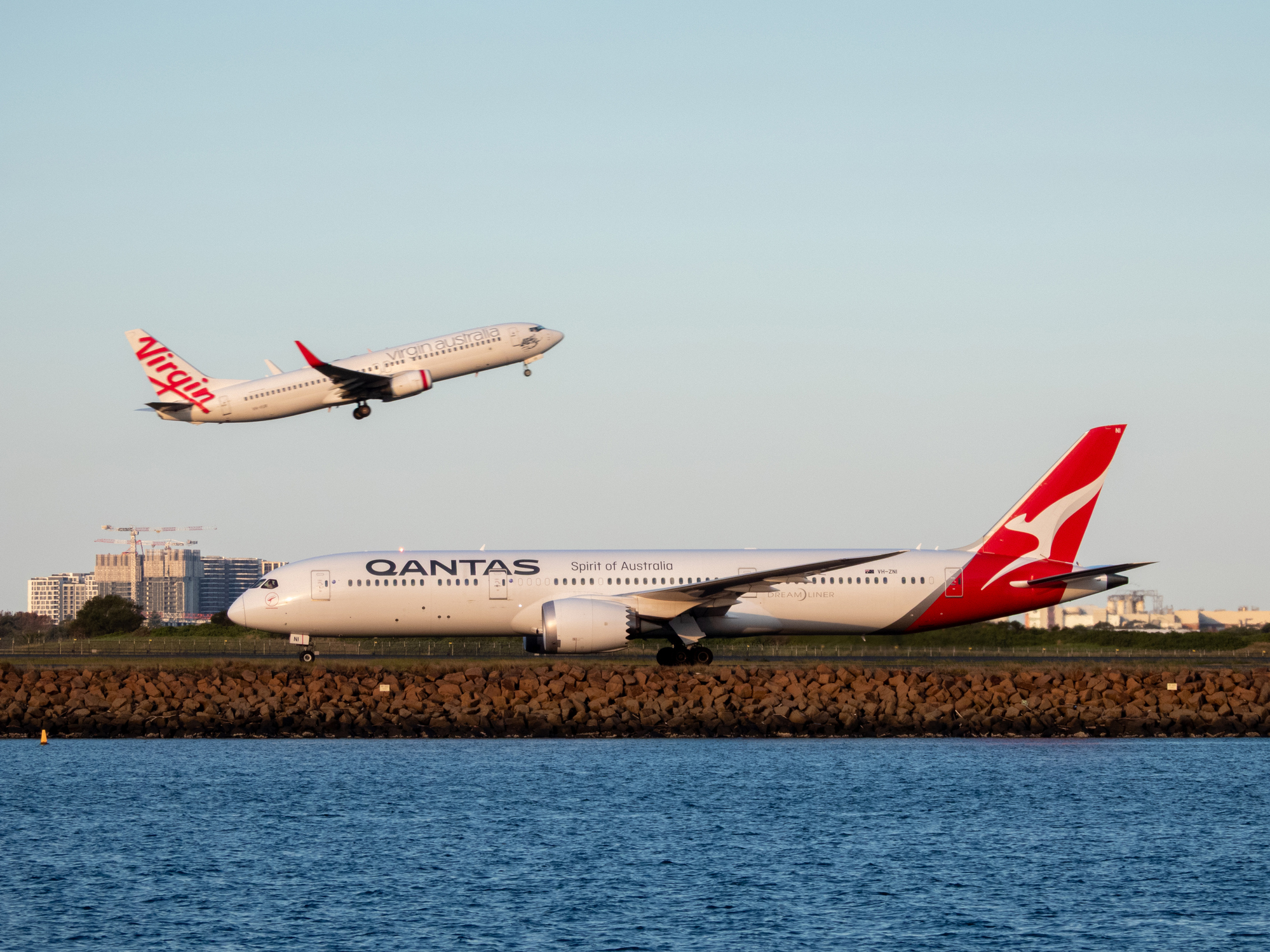
Airlines and cruise companies will be made to pay an extra $10 for every passenger departing the country via air or sea.
The government's Passenger Movement Charge will be increased from $70 to $80 from January 1 2027, according to the 2026 budget papers.
It will be calculated on the date of departure, rather than the date of ticket sale.
Aviation sources previously warned that airlines would pass on the extra $10 to passengers.
The cost of slugging airlines with an extra $10 per passenger is forecast to increase revenue by $755 million over five years.
TAX CUT FOR WORKERS: 13 million Aussies to get $250 bonus
Changes to aged care pension
The federal government said it is "modernising" the pension supplement paid to Australians who live overseas, a reform it said will deliver around $218 million in savings over the next five years.
Eligibility of the pension will shift to cease supplement payments for recipients who are permanently living abroad or who are absent from Australia for more than three months.
Before now, travellers had their full rate of the pension supplement suspended if they left the country for six weeks or more.
This provision has been extended by six weeks to a total of 12 months.
The pension supplement is an extra payment which is paid on top of the aged care pension which helps with utility, phone, internet and medicine costs.
Borrowers should brace for another rate hike
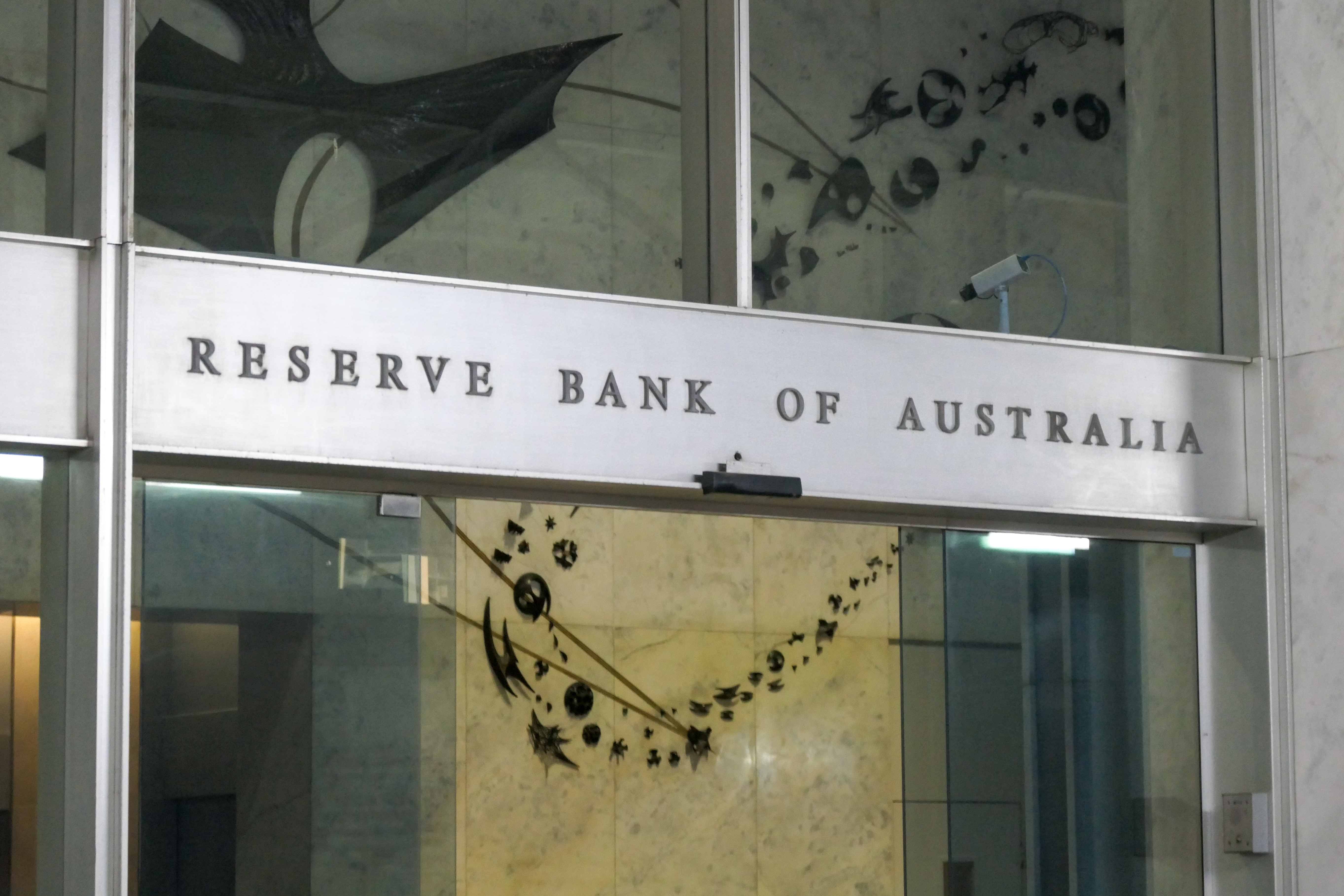
The treasury has offered a grim forecast for mortgage holders after a triple rate hike blow was delivered in March, April and May.
It predicts that another cash rate hike is coming in September, spelling doom for households hoping for some interest rate relief.
The official cash rate target is now at 4.35 per cent.
If previous rate hikes are a guide, the big four banks and lenders are likely to pass on a September increase.
NIGHTMARE ON THE HORIZON? The budget forecast no one wants to see
Foreign investments ban extended until 2029
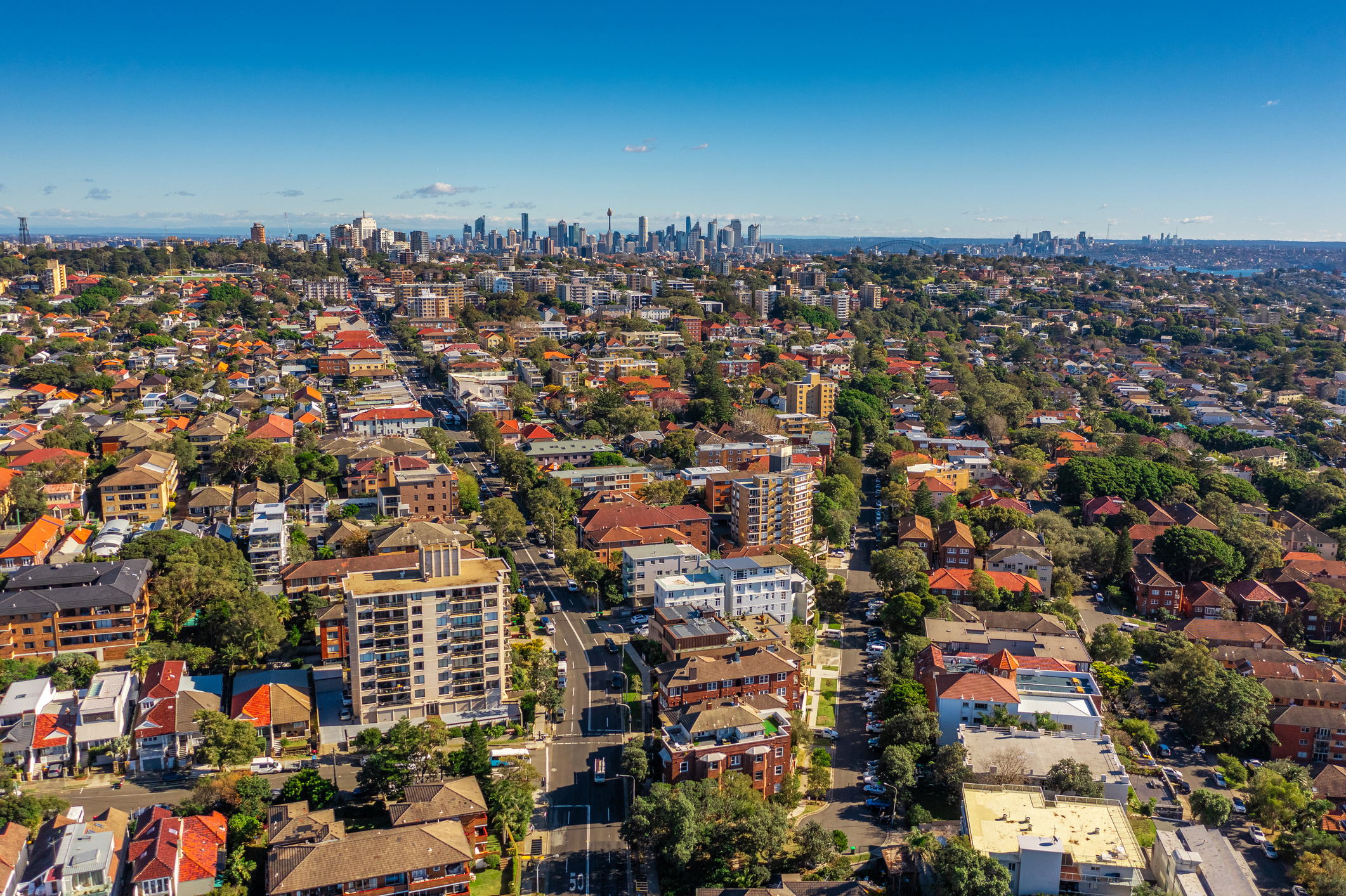
The federal government's ban on foreign purchases of existing homes will be extended until 2029, an extra two years and three months.
The Albanese government announced the ban during the 2025 Federal Election race, which aims to freeze out foreign buyers from purchasing already built homes.
This ban has been touted as the key to unlock thousands of properties for Australians.
Crackdown on visa misuse
This year's budget includes a $74.2 million allocation to crackdown on migrants attempting to misuse the protection visa system.
The Department of Home Affairs has previously warned against temporary visitors applying for a $50 protection visa – which is reserved for asylum seekers escaping persecution in their home country – in a bid to remain in Australia and continue working.
The department said it has noticed an uptick in temporary visa holders from the United Kingdom and Ireland being advised on social media to apply for a protection visa just to stay longer Down Under.
The bulk of this investment will be allocated to the Court of Australia and the Federal Circuit and Family Court of Australia.
Another $19.8 million will be given to the Department of Home Affairs to ensure the "overall integrity of the international student visa system".
READ MORE: Is this budget for the kids? What's on offer for boomers through to Gen Alpha
Electrifying Australia's car fleets
There will be an expected 25 per cent fringe benefits tax (FBT) discount for drivers who have bought an electric car which costs over $75,000 by April 2027.
All electric car owners will be able to claim the FBT discount by April 2029.
Up until now, your car needed to cost less than $75,000 to be eligible for this tax break incentive.
Despite a years-long debate over an EV road user charge, there is no mention of it in the 2026 budget papers.
Half a billion for bike and walking paths
The federal government will commit $50 million every year for a decade to construct or upgrade walking and bike paths across the country.
This amounts to a total of $500 million invested in making Australian cities walkable or bikeable.
READ MORE: Budget reveals Australia could be on verge of nightmare scenario
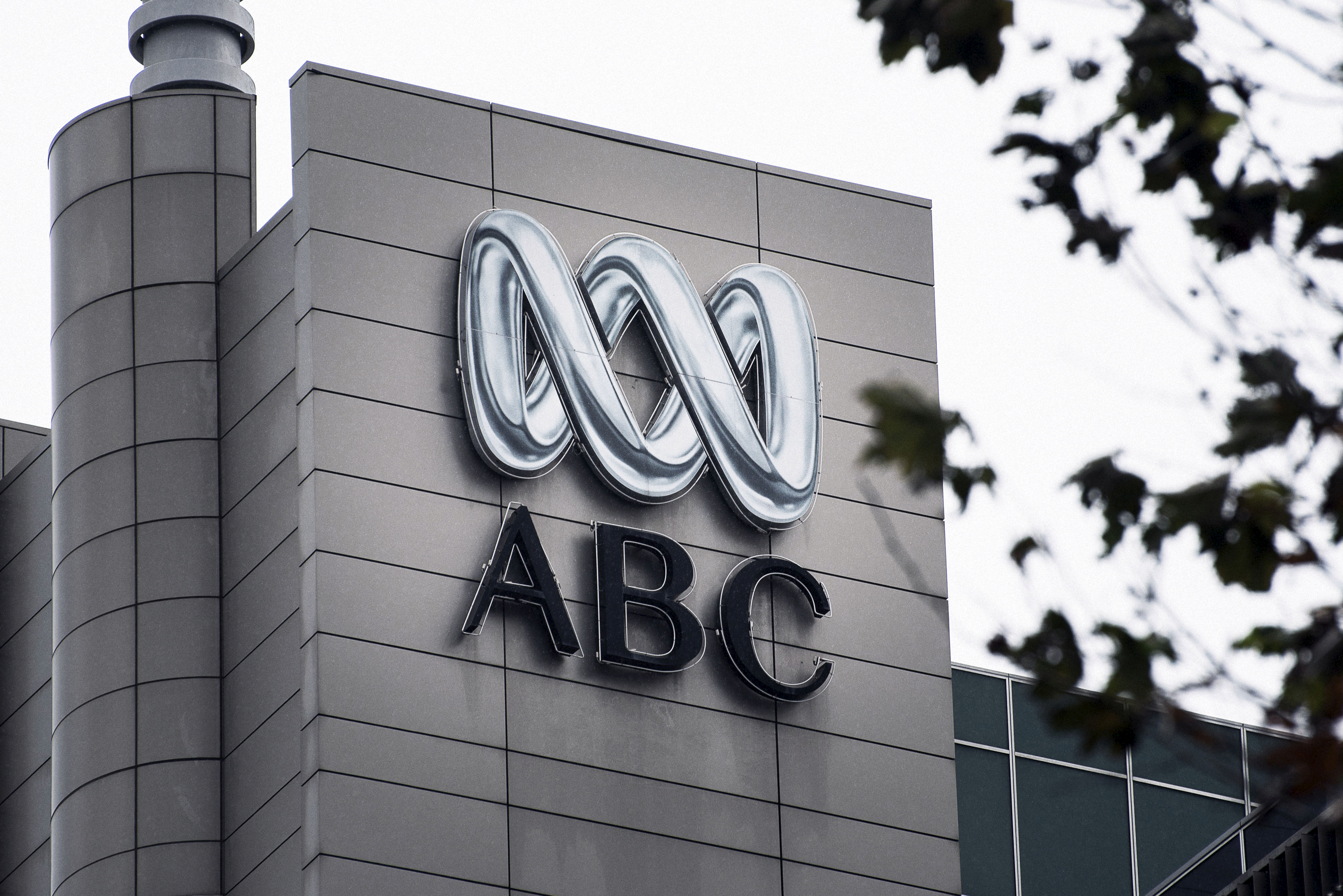
Media subsidies for ABC, SBS and AAP
A heavy investment will be made into Australia's national broadcaster to develop its Indo-Pacific broadcasting strategy.
The ABC will be given an extra $14.1 million over two years to build "production, distribution, capacity building, and media engagement activities in the region".
Meanwhile, the SBS will be offered a portion of a broader antisemtism and counter-terrorism package in the wake of the Bondi terror attack to extend its SBS Examines podcast series.
And the AAP will be allocated $15 million in this budget to ensure it remains financially viable.
'Nuisance' tariffs on margarine, tyres out the window
Another 497 "nuisance" tariffs will be abolished in a second tranche of reforms aimed at cutting costs and boosting productivity.
From July 2026, tariffs will be eliminated on various products including wine glasses, tyres, air conditioners, margarine, and bitumen.
NEVER MISS A STORY: Get your breaking news and exclusive stories first by following us across all platforms.
Download the 9NEWS App here via Apple and Google Play
Make 9News your preferred source on Google by ticking this box here
Sign up to our breaking newsletter here
from 9News https://ift.tt/Oj43yR8
via IFTTT
Comments
Post a Comment