If she doesn't set an alarm, a run-of-the-mill trip to the shopping centre can turn into a financial headache for Zoe Sheehan.
On a recent sunny Sydney day, the 30-year-old parked in a 30-minute zone at a Westfield, bought a coffee, promptly forgot about her car and walked home.
Only hours later did she realise her car was still sitting at the shops – with an unwelcome $300 fine attached to the windscreen.
This, Sheehan told Nine.com.au, is a common example of the "ADHD tax" that Australians are paying every single day.
READ MORE: Residents of trendy Melbourne suburb lose bid to block 24/7 McDonald's store

Sheehan has paid dearly for her neurodivergence, something she chalked up to forgetfulness until just four years ago.
After being diagnosed with Attention Deficit Hyperactivity Disorder (ADHD) at age 26, it dawned on Sheehan just how much unnecessary money she had been paying simply because of the way her brain is wired.
"There's so many times when I've done that. It is all the key symptoms of having ADHD – like forgetfulness, impulsivity, distraction, procrastination, time blindness, all coming together," Sheehan said.
"The intention is there... but you might get distracted or hyperfocussed, and then eight hours later you realise and it's like... holy s--t.
"People might say, Oh just set a reminder, and they just don't understand the way that our brains work.
"It's literally the same thing as telling someone with dementia to just remember."
READ MORE: Neil wants pokies machines to play 'losing sounds'. Here's why
Parking fines are just the tip of the iceberg.
Sheehan said the hidden cost of ADHD also includes late payment fees (she has set up direct debit for all her bills to avoid this), payments for unused services like apps or gym memberships and impulsive online shopping.
According to the Australasian ADHD Professionals Association (AADPA), the average productivity losses associated with the disorder amounted to $9.98 billion in 2019, which is around $17,483 per person living with ADHD.
Psychiatrist and Pandion Health co-founder Dr Brendan Daugherty agreed the ADHD tax is a financial complexity that can come with the disorder.
"The ADHD tax is the running cost of having an ADHD brain in a system designed for neurotypical brains," Daugherty explained.
"It can easily cost thousands a year.
"The modern world has a lot of demands, and it's not made for the neurotypical brain, much less the neurodivergent brain."
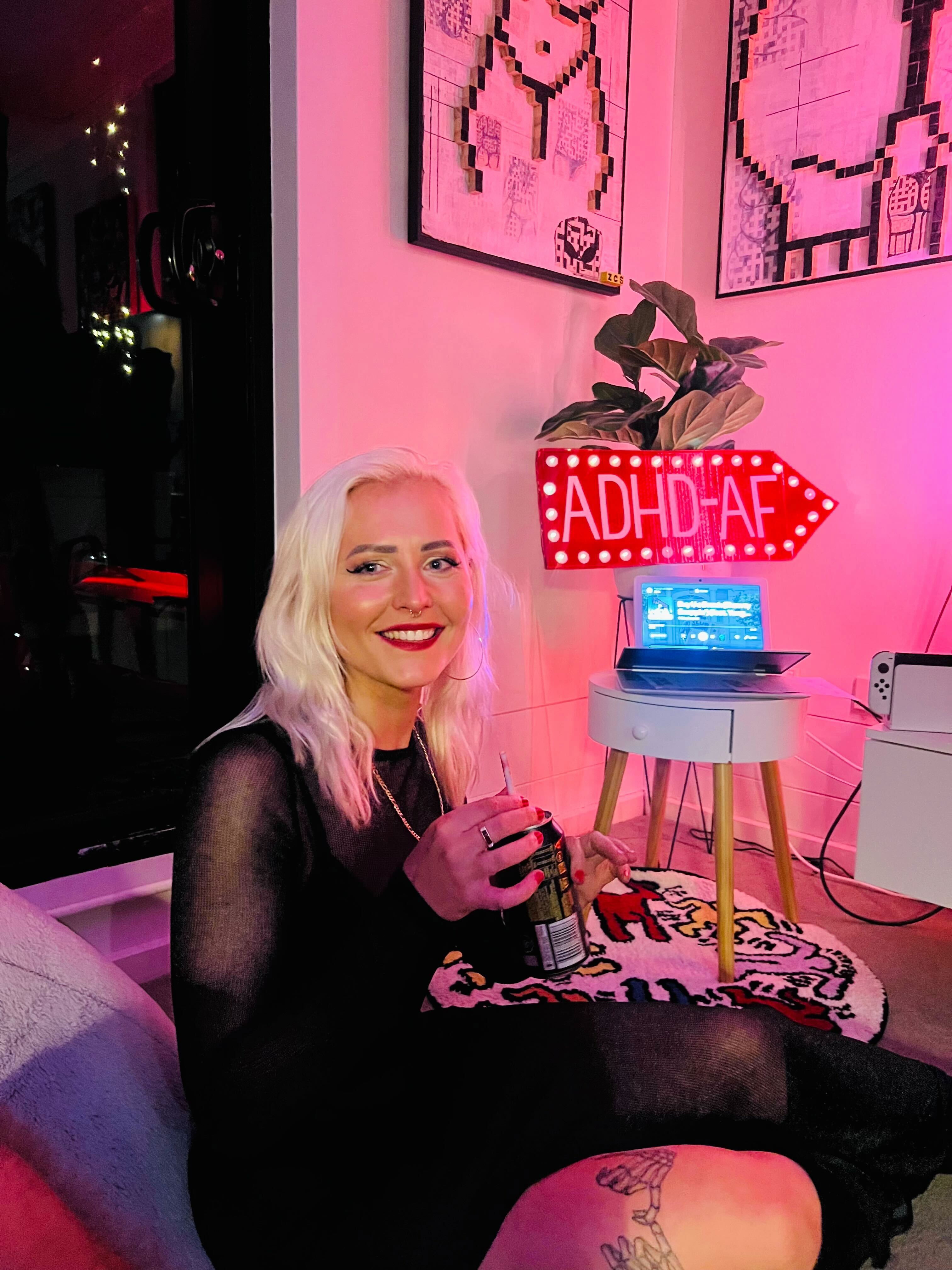
Since her diagnosis, the Sydney woman was able to get a "leniency letter" from her doctor, which explains her diagnosis and how it can lead to the offence or penalty.
She is yet to use it, but said it is an important tool which could soften the financial burden for many adults with ADHD.
"I don't want to be pushing for people to be abusing the system and not being responsible, because they still need to follow the law," she said.
"But it is a disability, so there needs to be some sort of support."
Because ADHD is invisible, Sheehan said, diagnosed adults are not offered the same leniency or help.
"For anyone disabled, you've got disabled parking spots.... for pregnant women, things that are visible, people [are treated] differently," she added.
"When it's invisible, it doesn't get the same treatment."
According to Fines Victoria, you can apply to review your fine under special circumstances if you can prove you committed the offence, in part, because you "had a mental or intellectual disability, disorder, disease or illness".
Daugherty said adults with ADHD often need more nudges and support – including alarms, stricter planning or detailed calendars.
"Mitigation is mostly about reducing reliance on memory and willpower. Automate bills and savings on payday," he said.
"Use phone reminders and calendar notifications for anything important. Audit subscriptions quarterly. Have one fixed spot at home for keys, wallet, phone. Use a 24-hour pause rule on impulse buys."
He described untreated ADHD is the most "expensive scenario".
Because medication, therapy and coaching directly address the executive function gap that drives the tax in the first place."
READ MORE: Your identity could be for sale for as little as $200 on the dark web

ADHD rates soar in Australia
More than a million Australians have ADHD, according to the Australasian ADHD Professionals Association (AADPA).
New analysis by UNSW Sydney researchers has found the number of adults being treated for ADHD has surged by more than 600 per cent since 2017.
And women have now overtaken men in the prescribing rates of ADHD medication in Australia.
The statistics have laid bare the sheer volume of Australians who don't fit the neurotypical mould.
Sheehan has been a vocal advocate for ADHD awareness and education online.
She is also developing an app to help other neurodivergent Australians with "time blindness" to mitigate the financial toll of ADHD tax.
On her platforms, Sheehan speaks candidly about how she navigates the pitfalls – and silver linings – of living with ADHD.
She said it doesn't need to be a burden. It can also be a superpower.
"ADHD is so misunderstood. And it's not until you experience it and live with it first-hand, that you realise," she said.
"I just would love to bring more positivity around it, because I think that people are ashamed of ADHD because of the negative talk around us."
NEVER MISS A STORY: Get your breaking news and exclusive stories first by following us across all platforms.
- Download the 9NEWS App here via Apple and Google Play
- Make 9News your preferred source on Google by ticking this box here
- Sign up to our breaking newsletter here
from 9News https://ift.tt/TAB3JLF
via IFTTT
Comments
Post a Comment