The armada of US Navy vessels blockading Iranian ports also faces a hazardous mission that can help solve the global fuel crisis: clearing any sea mines the regime has laid.
Iran's navy had about 5000 sea mines before the conflict began, but strikes by the United States and Israel over past weeks has reduced its stocks to about 500. The Pentagon also says Iran has lost all of its mine-laying vessels.
But experts warn Iran still has the ability to strike back in the Strait of Hormuz against warships, oil tankers and other vessels with what remains of its sea mine arsenal.
LIVE UPDATES: Refinery fire to have 'catastrophic' impact on Aussie fuel supply
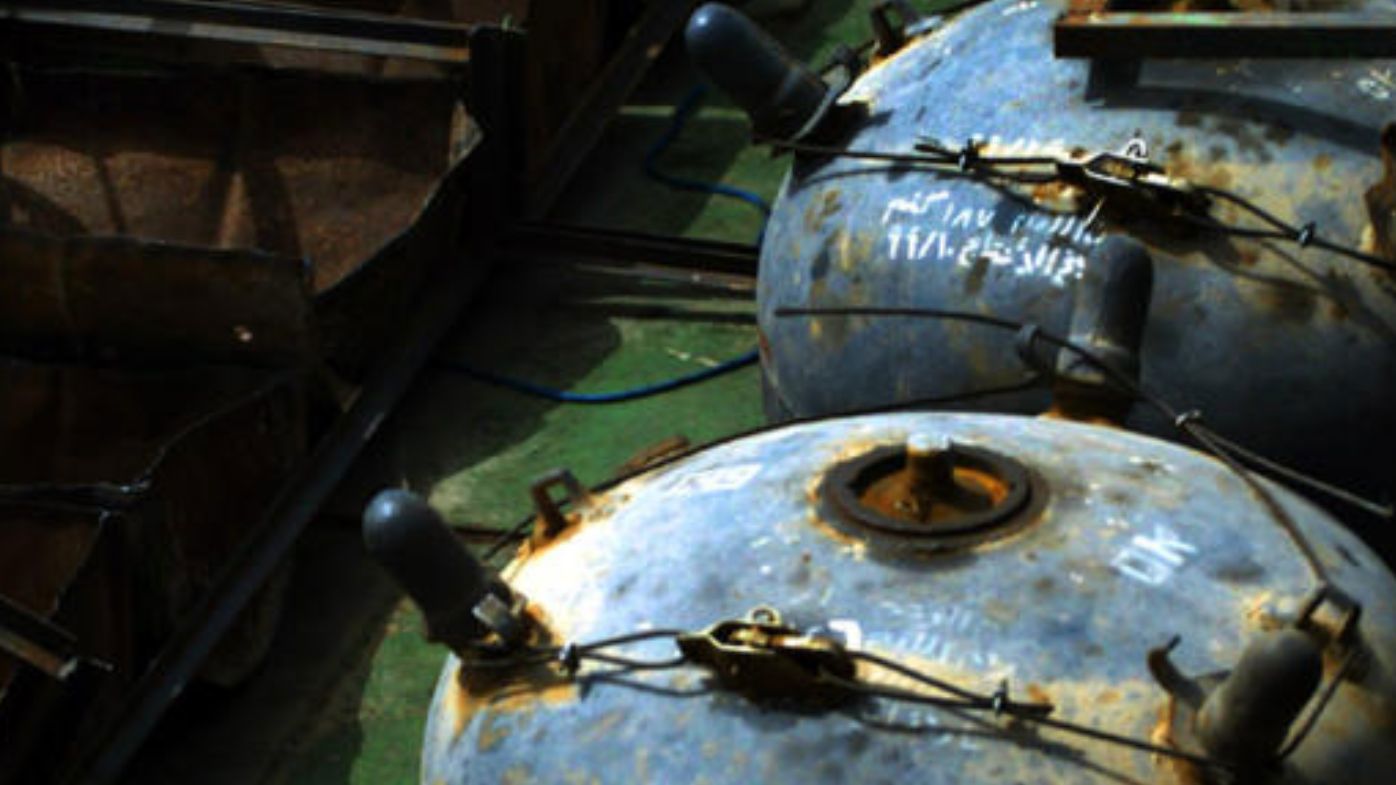
Former Royal Australian Navy mine warfare specialist Andy Perry warned this month the relatively low-cost weapons are hard to detect and equally hazardous to destroy.
They come in various forms: Spiked, such as those used in World War II; Influence mines detonated by the static electricity from passing ships; Magnetic ones that react to changes in the "magnetic signature" of the water; Acoustic mines that react to noises by ships; Pressure mines that explode when water pressure changes.
Perry, writing for the Australian Strategic Policy Institute, says mines are an ideal weapon for an outnumbered and outgunned combatant, such as Iran.
"They require little training or specialist support. They are easy to deploy: they can be placed in the water from civilian boats, small craft or submarines.
"And unlike many other naval weapons, they can be laid without direct combat interaction with an adversary, remaining dormant until activated by a passing vessel."
READ MORE: Pete Hegseth quotes fake Pulp Fiction Bible verse during Pentagon sermon
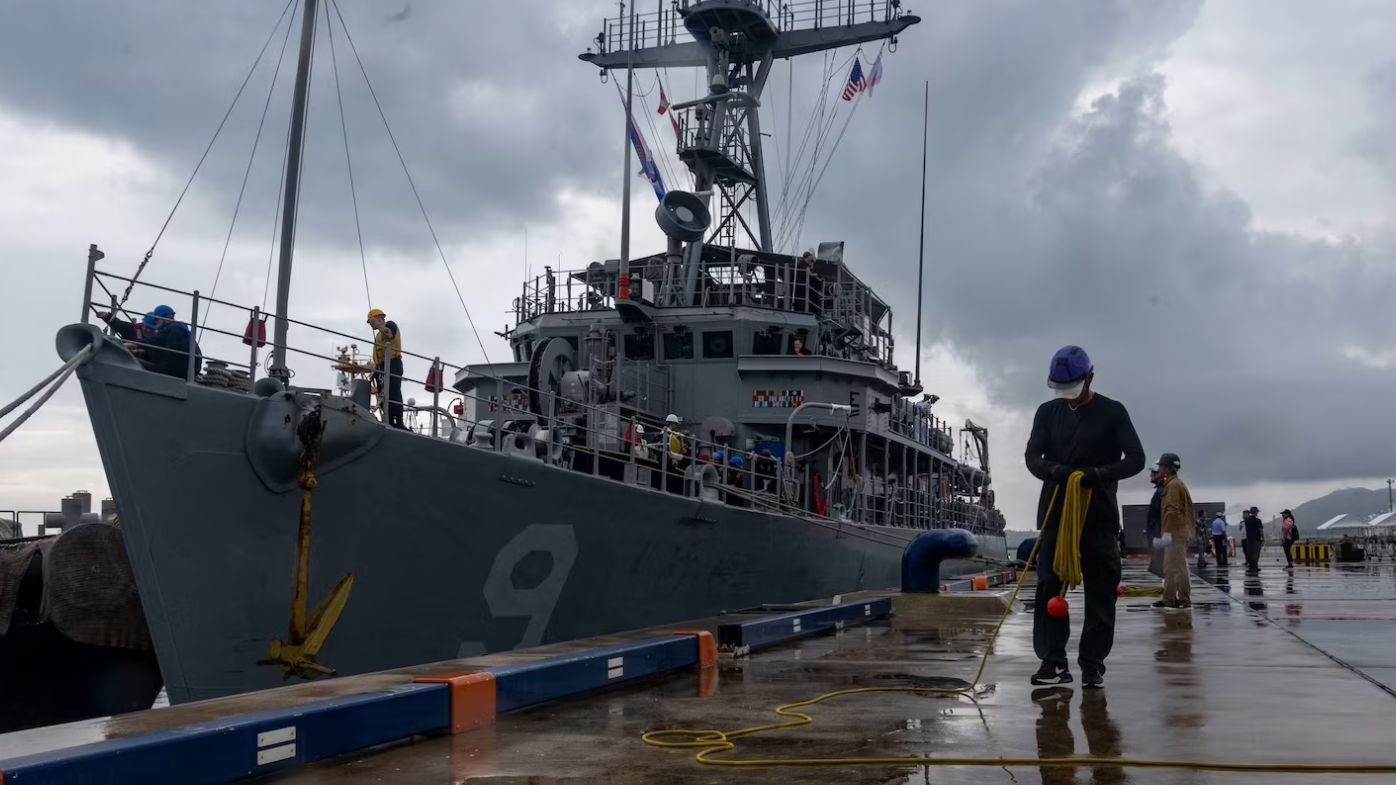
While the mine clearance abilities of the US Navy and other western navies have improved to advanced levels, it remains a tough and potentially deadly task.
The conventional tactic is for naval ships to sweep an are of the sea for mines.
Once detected, mines moored to the sea floor have their cables cut, then when they float to the surface, or when they're destroyed.
Mines lurking at the bottom of the ocean can be detected by minesweeping ships using acoustic, electrical or magnetic signals before they're eliminated by a controlled explosion.
They can also be detected by sonar on underwater drones or lasers mounted on the drones or even on helicopters and then destroyed safely.
But the ever-present danger makes any mine clearing mission a lengthy one when caution comes first.
The task could be even tougher with reports the Iranian navy doesn't know the exact places around the Strait of Hormuz where it laid their mines.
It means the timeline to clear them can pull out from days to weeks to even months, a duration the global economy can ill afford.
NEVER MISS A STORY: Get your breaking news and exclusive stories first by following us across all platforms.
-
Download the 9NEWS App here via Apple and Google Play
-
Make 9News your preferred source on Google by ticking this box here
- Sign up to our breaking newsletter here
from 9News https://ift.tt/gcLiHtO
via IFTTT
Comments
Post a Comment