Prime Minister Anthony Albanese has touched down in Singapore, talking up the chances of a deal to lock in supply from the country that already ships half of Australia's petrol.
The hastily organised meeting amid continued worries about Iran's effective closure of a critical shipping route is being pitched as a chance to guarantee gas supplies in return for oil.
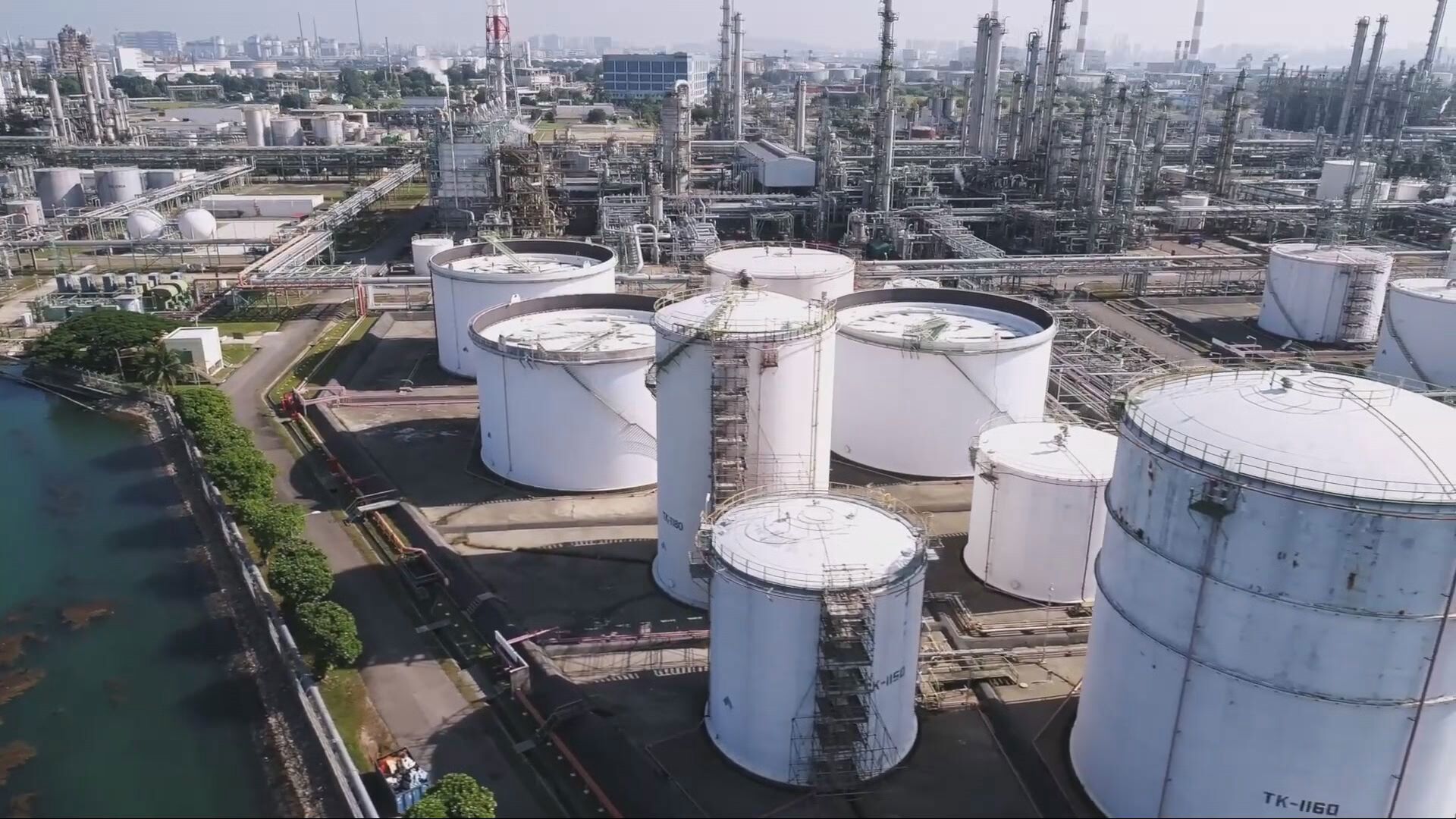
Singapore refines Middle Eastern oil and ships fuel around the world, including more than half of the petrol imported by Australia, 16 per cent of diesel and some jet fuel.
READ MORE: Heartbroken daughter demands justice for mum after alleged murder
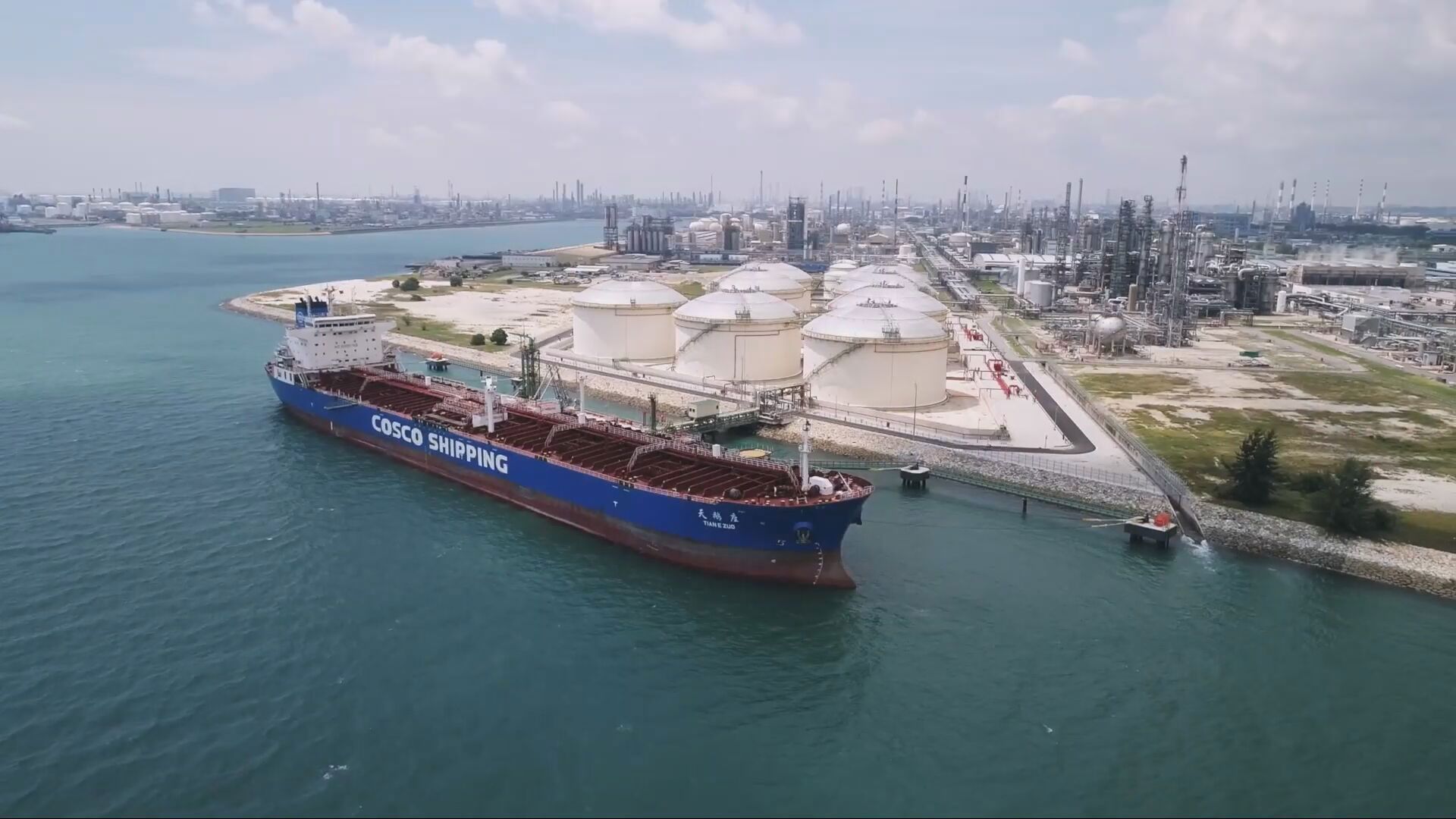
Australia is Singapore's number one gas provider, something Albanese will be looking to stress as he tries to lock in a share of a shrinking supply of Singaporean fuel, if difficulties getting oil to the nation's Jurong Island refinery continue.
"This is a relationship of trust and of mutual interest as well," Albanese said after landing in Singapore this evening.
"We know that it is in both of our countries' interests to engage with each other to make sure that we are both reliable suppliers."
READ MORE: 'That's a crime': Clooney draws White House fury after Trump accusation
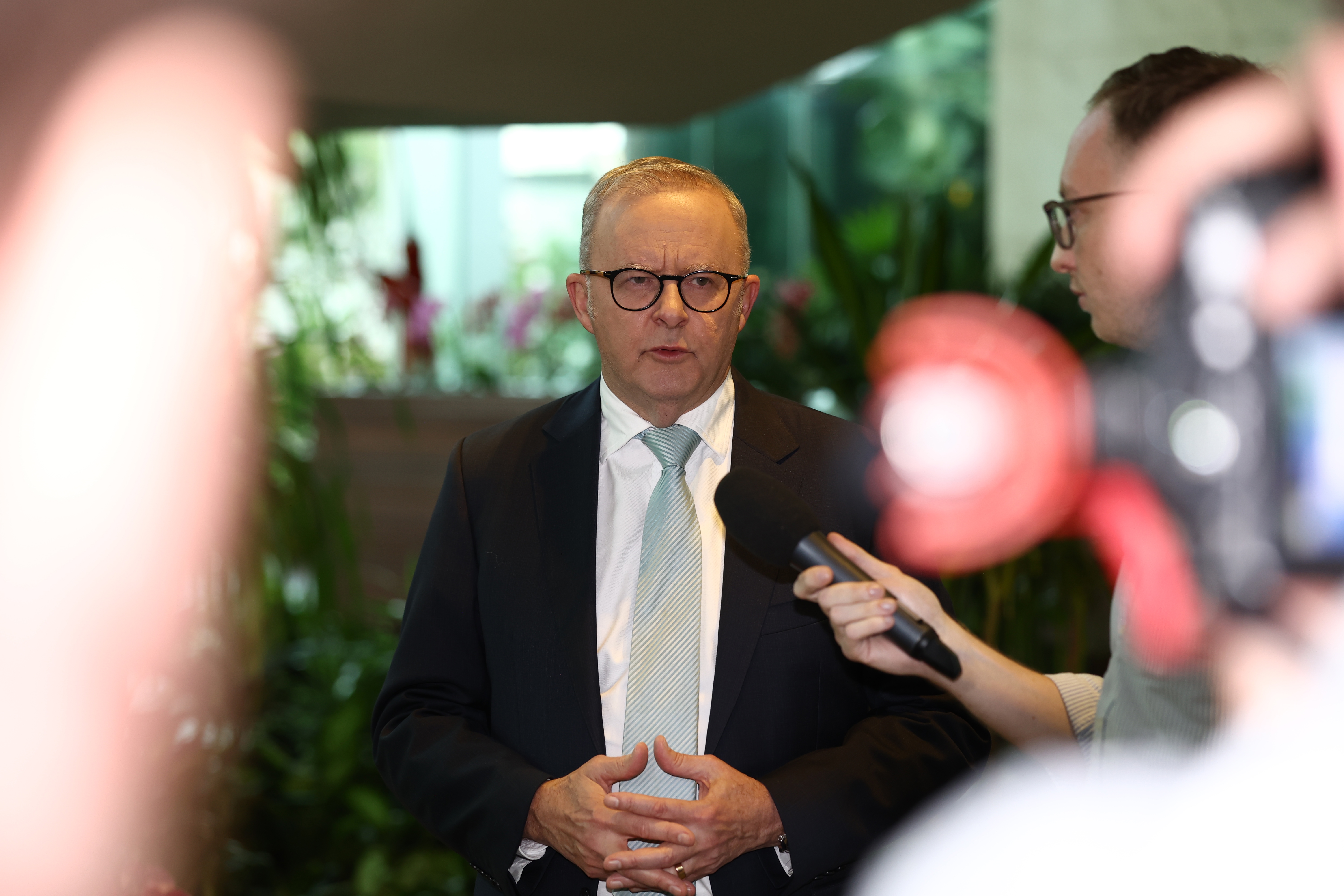
Nine's chief political editor Charles Croucher said a deal "can and probably should be done".
"The ingredients are all there. The leaders get along. Australia has gas. Singapore has fuel," he said.
"There are commercial complications but they will, and probably already have been, worked out.
READ MORE: 'Smashed him with a hammer': No bail on hospital attack
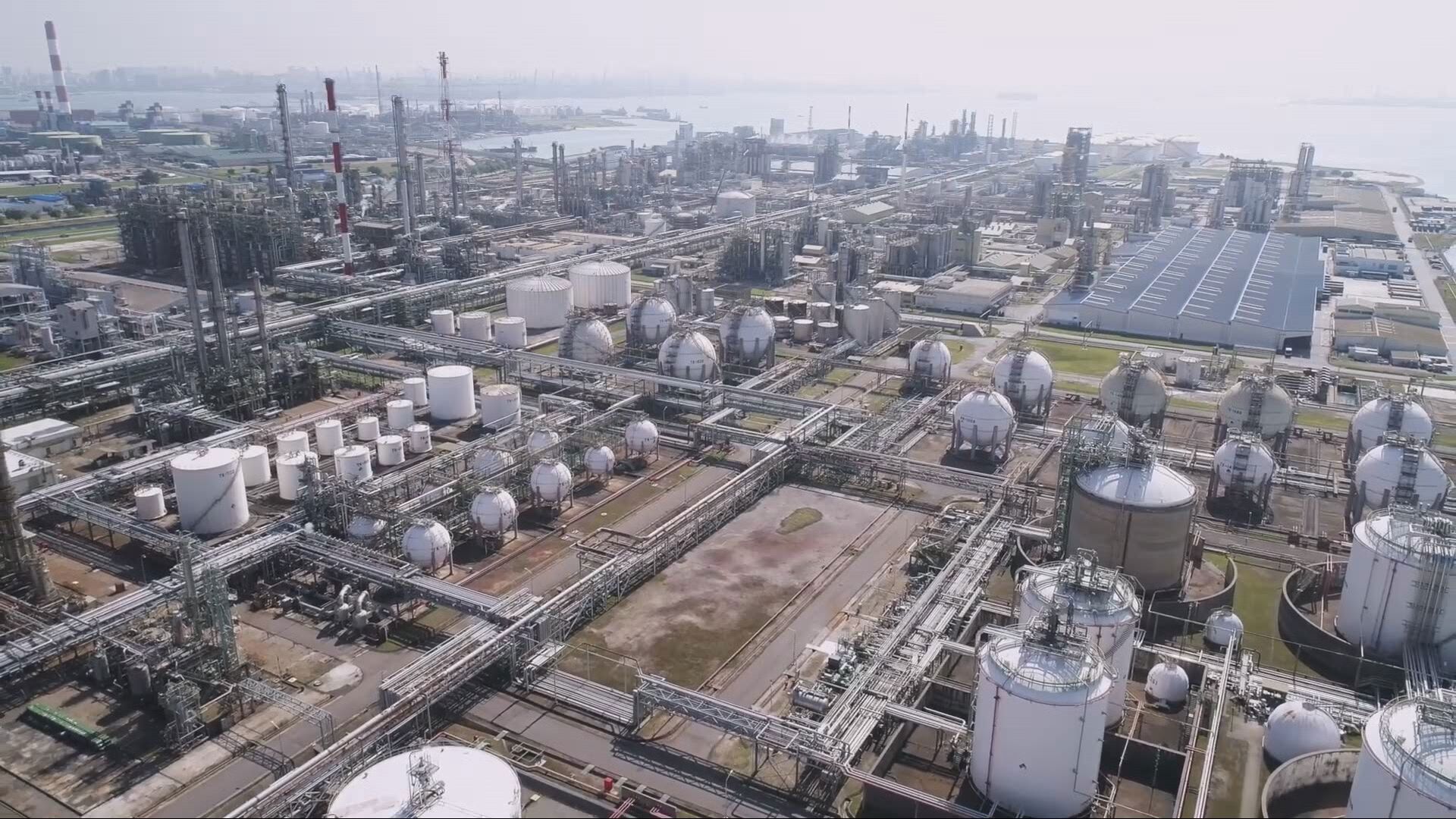
"But that's not job done. As supply diminishes, there will be needing to be more agreements and guarantees from countries like Japan, Malaysia, Korea and even Brunei.
" … These are all individual pieces of Australia's petrol puzzle, and they all are vulnerable to the volatility in the Middle East."
In Queensland earlier in the day, Albanese announced a deal allowing Australian tax dollars to act as a guarantee for private companies securing shipments of fuel.
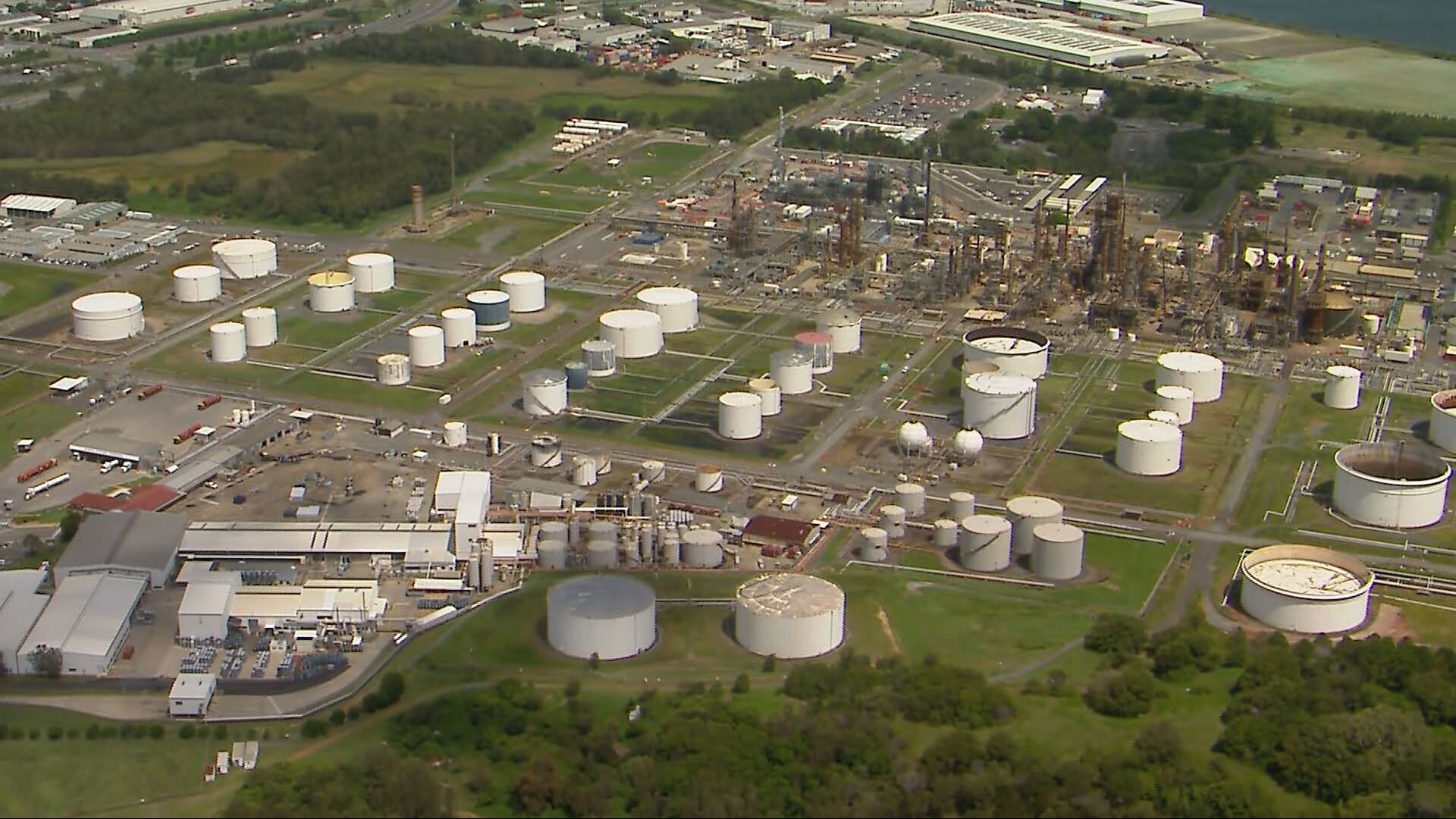
"This is not business as usual. Importantly this is additional supply to Australia," he said.
The government also announced investment fast-tracks for an electric truck transport hub in western Sydney and fuel hubs in Victoria and South Australia converting biomass - like crop residue and organic waste - into fuel.
Transport Minister Catherine King said it could be "turned into low-carbon liquid fuels for our jets, for our marine industry and for our heavy vehicles".
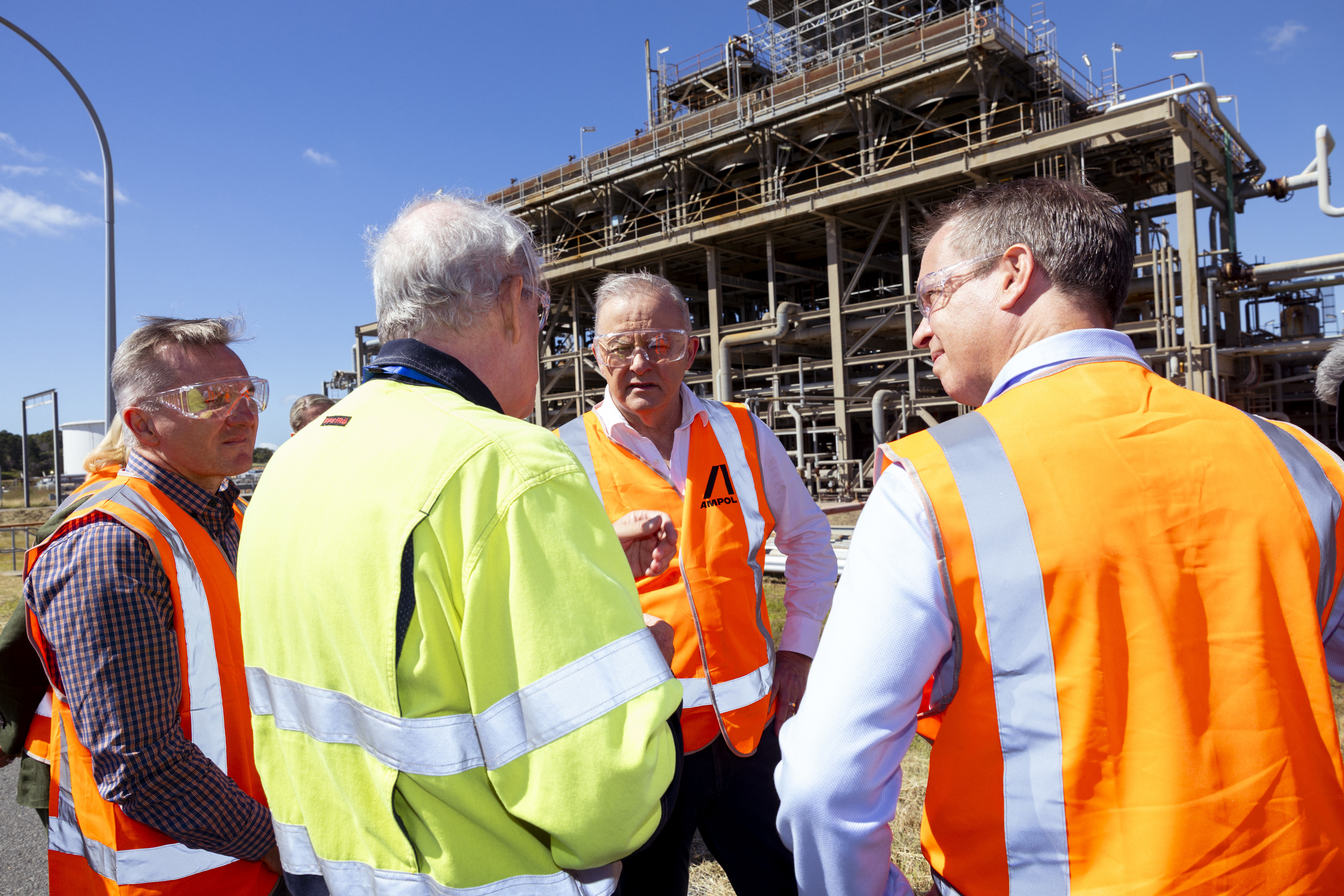
Opposition Leader Angus Taylor appealed for certainty.
"We need to know that fuel is going to come from Singapore to Australia, on time without cancellations, without delays," he said.
The Strait of Hormuz is a critical shipping lane through which 20 per cent of the world's oil flowed before the US and Israel attacked Iran on February 28.
The narrowest part is only 33 kilometres wide and it sits between Iran and other Gulf countries, including Qatar, the United Arab Emirates and Saudi Arabia.
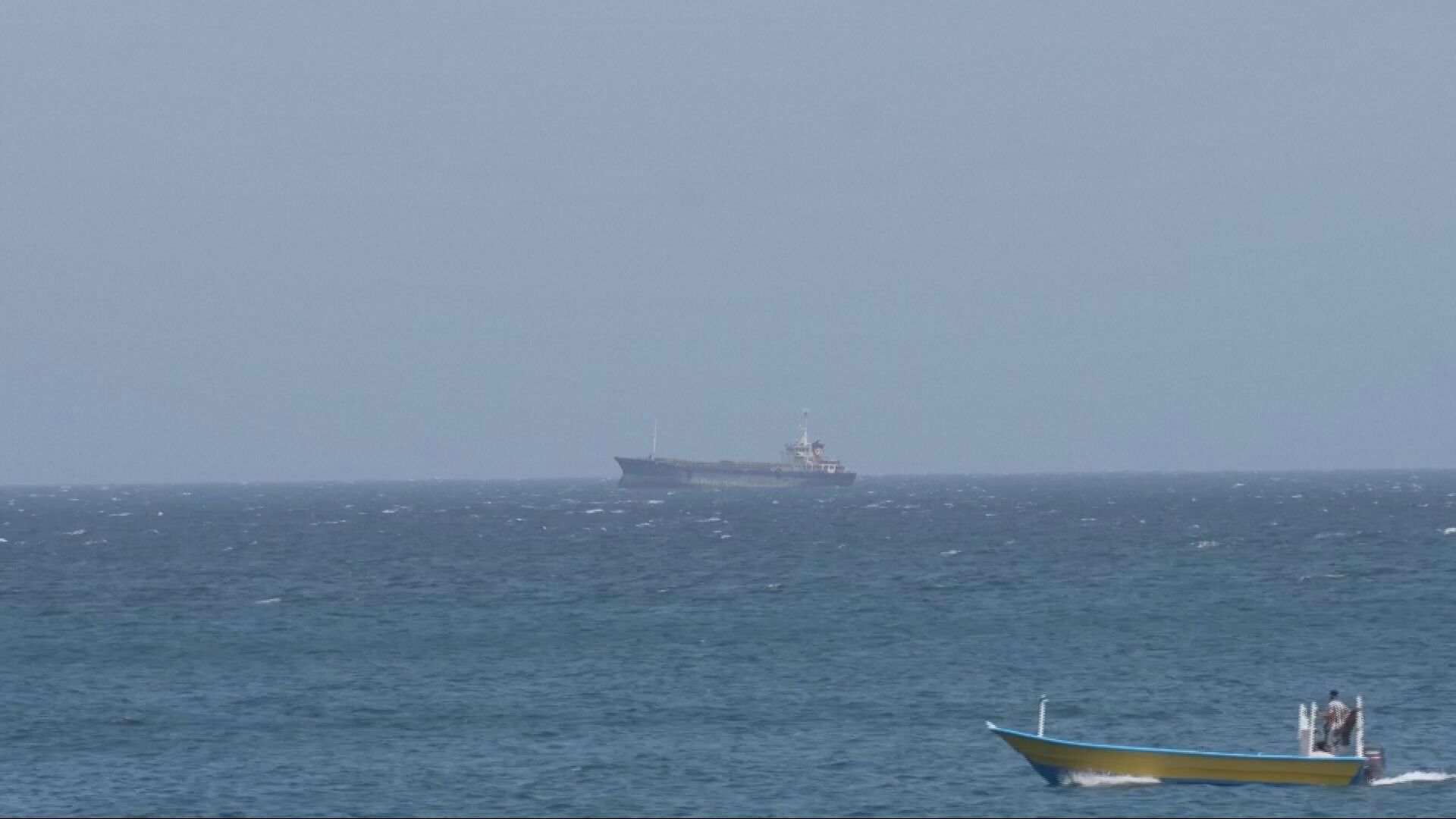
Normally, 130 ships pass through every day. Today, that number is down to just seven.
It's a chokehold on oil supply, and ships that do pass through without any permission put themselves in great danger. Since February there have been close to 30 reported attacks on commercial vessels.
Post-ceasefire, Iran declared it would provide a safe passage through the Strait of Hormuz with coordination from the country's armed forces but what that means exactly is still unclear, including reports it will allow just 12 ships through a day.
The country has sought to formalise a "toll booth" regime charging ships to transit through the passage, splitting the profits with Oman on the other side of the water and using its share for reconstruction.
Australian National University National Security College expert associate Jennifer Parker said she didn't expect large numbers of ships to pass through the strait until there was confidence of the ceasefire holding and more understanding of what Iran was demanding of the ships.
"They won't want to set a precedent that they need to inform a coastal state when going through an international strait," she told 9News.
"And I think they'll be waiting for reassurance that if Iran starts attacking again, there'll be some sort of response from the US.
"So it'll take some time to get back through to normal numbers going through that strait."
NEVER MISS A STORY: Get your breaking news and exclusive stories first by following us across all platforms.
- Download the 9NEWS App here via Apple and Google Play
- Make 9News your preferred source on Google by ticking this box here
- Sign up to our breaking newsletter here
from 9News https://ift.tt/p6oIXR3
via IFTTT
Comments
Post a Comment