The prime minister will talk to state premiers and chief ministers today in a national cabinet meeting aimed at ensuring Australia has a united response to the global oil supply shock.
But while supply chains, fuel reserves, local refineries (or the lack thereof) and the uncertainty brought about by the war in Iran may be on the agenda, the nation's more immediate concern appears to be ensuring businesses and everyday Aussies do their bit.
The snap meeting will discuss efforts to reduce fuel shortages, particularly in regional areas where some petrol stations have closed.
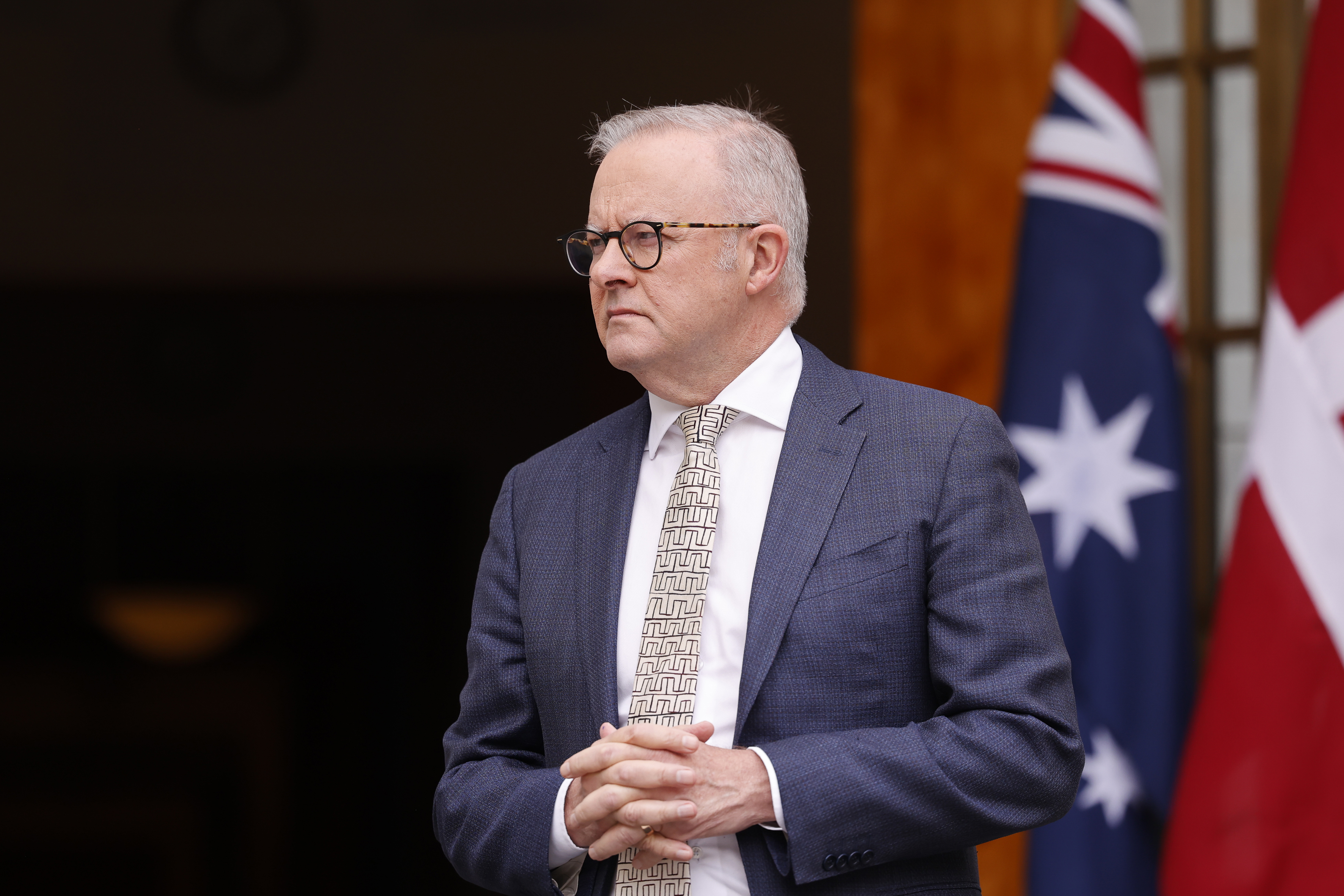
"It's a different world now", Anthony Albanese said in a speech to the Australian Automotive Dealer Association in Sydney. "We need to acknowledge that, and we need to respond to that".
PETROL PRICES: Dire warning about war's impact in Australia
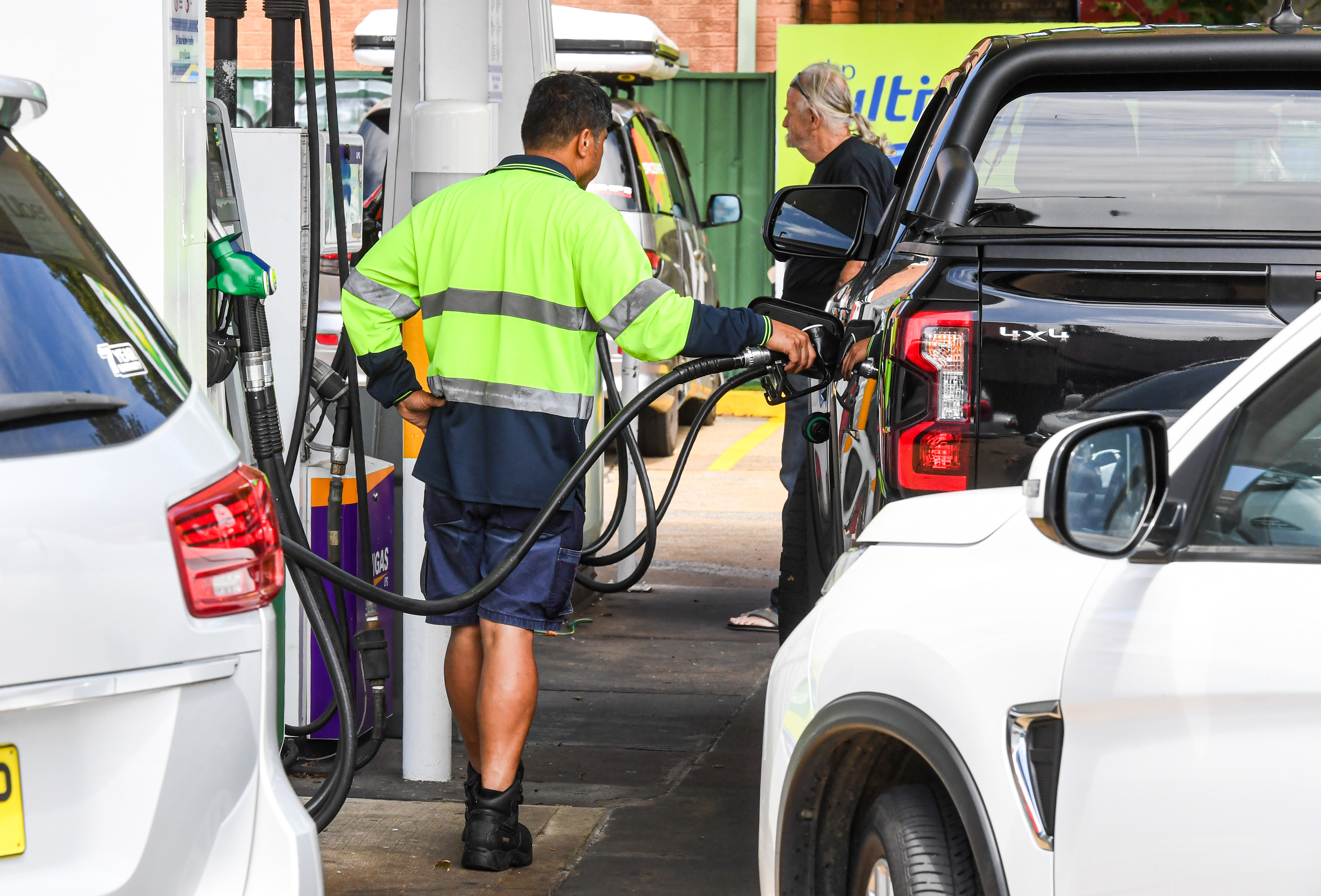
He said panic buying and stockpiling were causing shortages.
"Be a good neighbour, a good community member, and a good Australian. It's not the Australian way," he said.
"Some of the fuel storage that we've seen can be quite dangerous as well.
"Just take what you need, be sensible.
"There has been, in some places, a doubling of demand. That shouldn't occur.
"We do have fuel security here in this nation, but we need to be sensible about these issues."
The federal government has been at pains to emphasise there is enough fuel in the country at the moment, and that shortages at some bowsers – particularly regional ones – have been caused by panic buying.
It's a point experts agree with.
"Stockpiling – whether by households or farmers – risks creating the very shortages we are worried about," Macquarie University finance lecturer Dr Lurion Mello said earlier this week.
FEDERAL BUDGET: With one sentence, treasurer drops major hint on $22 billion tax overhaul
"Petrol supplies remain relatively secure, and companies… are already sourcing additional product from the US, demonstrating that alternative supply pathways exist."
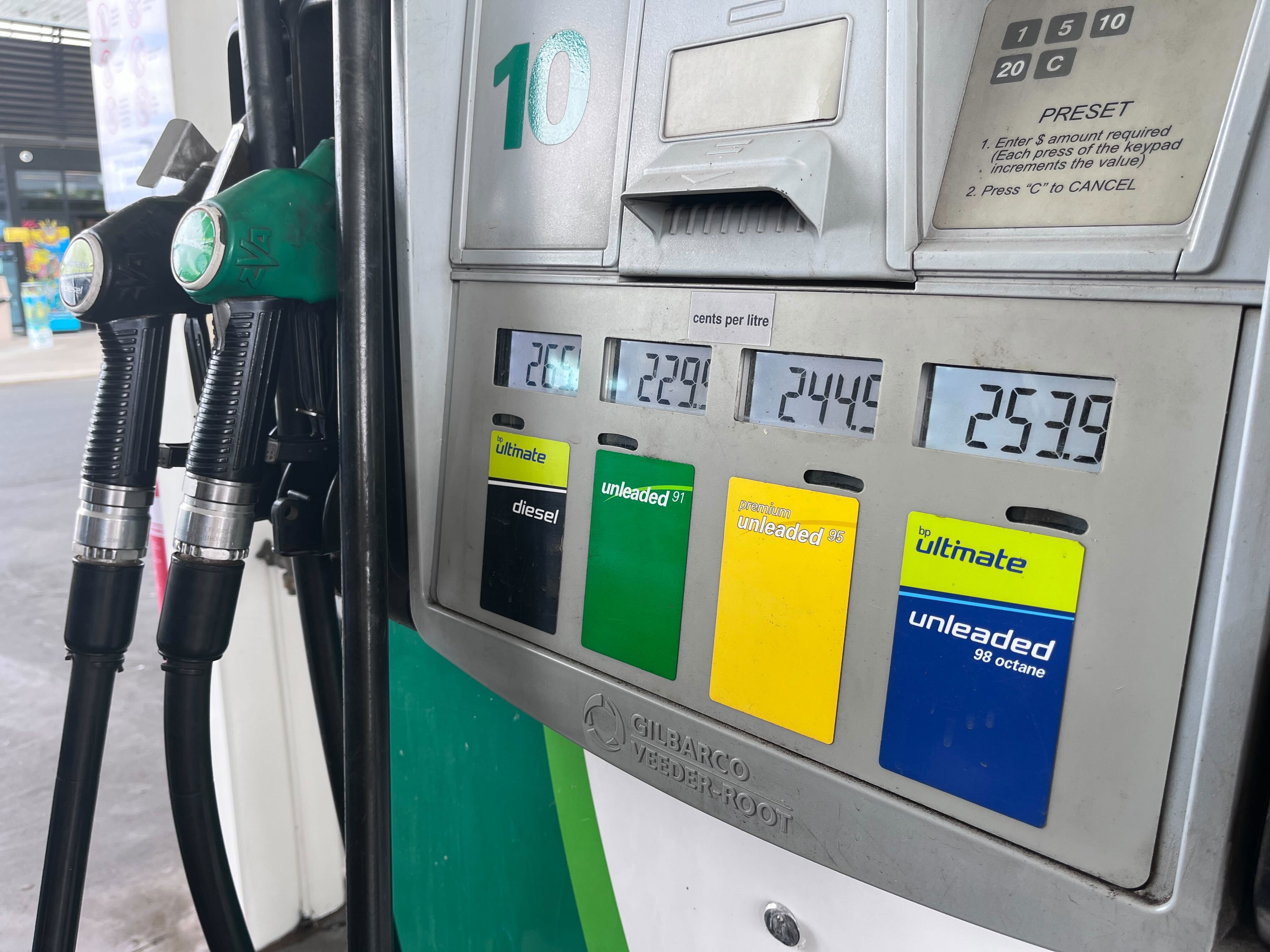
The ACCC hauled fuel companies in for a please-explain about prices that skyrocketed before wholesale rises hit the local market – which the NRMA says caused panic buying in the first place – and the government has touted doubled fines for businesses busted profiteering off the crisis.
"There's no place for any company to try to take advantage of this, to increase their profits at the expense of Australians," Albanese said.
But longer-term, the nation is exposed to a prolonged supply shock.
"(Australia) imports a large share of its refined petroleum," finance professor Sajid Anwar said.
FINANCE: 'Global recession risk': The danger on the flipside of the RBA's rate hike
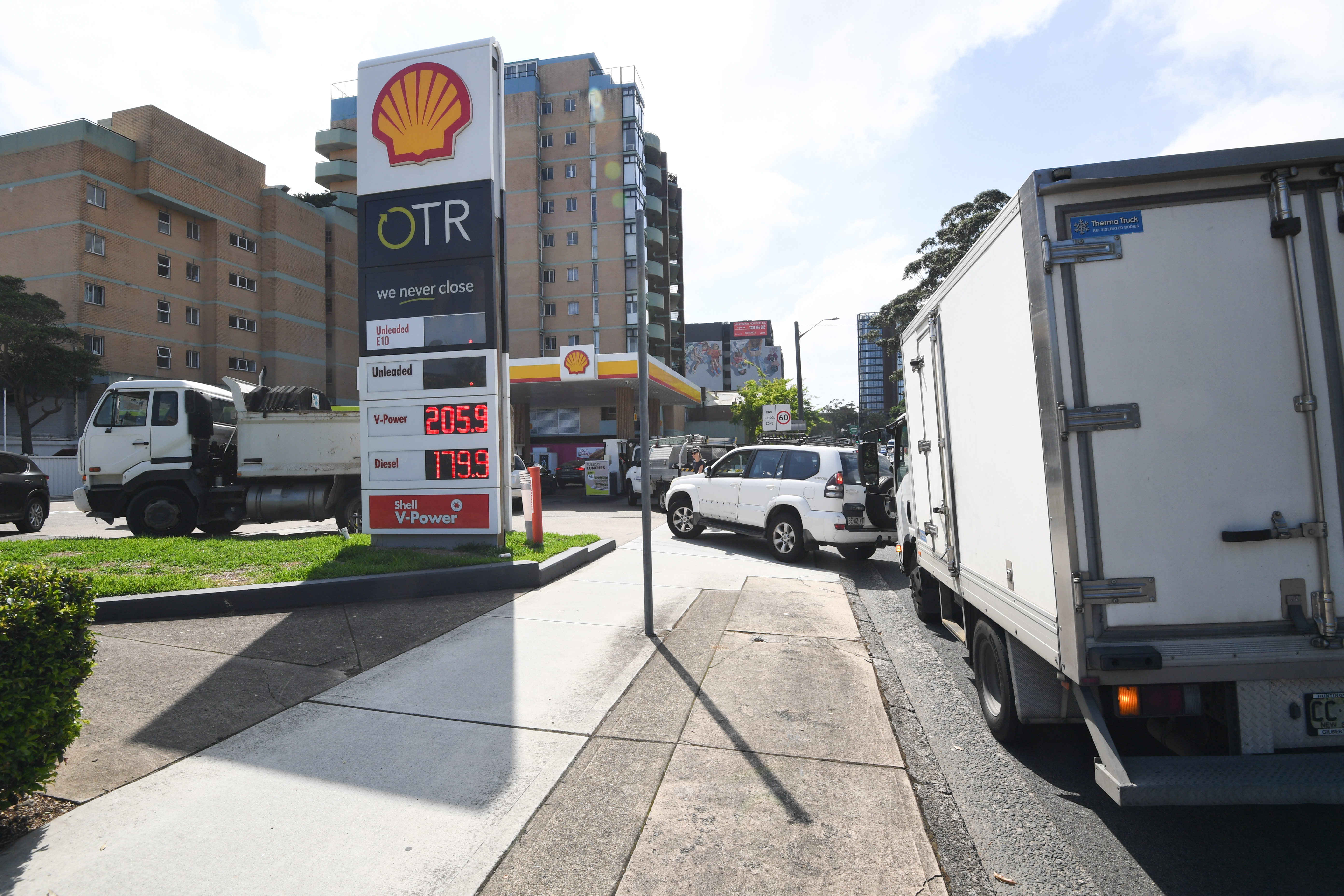
"The country typically holds around 30 days of fuel stocks, well below the 90-day level recommended by the International Energy Agency.
"Although Australia draws on multiple suppliers, including Singapore, South Korea and Japan, these sources sit within the same Asia-Pacific supply chain, meaning major regional disruptions could still affect supply."
Energy Minister Chris Bowen said on Tuesday Australia's supply is comfortably locked in until "well into April" – raising the obvious question about what happens in a month's time or so when those contracts are gone.
"The biggest risk would seem to be what will happen to our fuel supply in April, beginning around Easter," Bowen's opposition counterpart, Dan Tehan, told The Age.
In a speech yesterday, Albanese spoke of the need for Australia to become more self-sufficient in a changing – and challenging – global environment, while also flagging relief for households and businesses in the upcoming federal budget.
RATE HIKE: Average Aussie household almost $75 a week worse off than six weeks ago
Today's meeting, though, has been flagged as more focused on national cooperation.
The prime minister said each state and territory to appoint a "point person" to liaise with the federal government, and the Australian Financial Review has reported a national fuel tsar will be named to coordinate the overall response.
While it has emergency powers in its arsenal if required, the government has reiterated fuel rationing isn't on the agenda anytime soon, even if it can't be completely ruled out.
Similarly, Albanese didn't totally shut the door on the government buying directly from the global market to shore up supply.
"We're preparing for every contingency, and we'll continue to do so," he said.
NEVER MISS A STORY: Get your breaking news and exclusive stories first by following us across all platforms.
- Download the 9NEWS App here via Apple and Google Play
- Make 9News your preferred source on Google by ticking this box here
- Sign up to our breaking newsletter here
from 9News https://ift.tt/V7Lc4OT
via IFTTT
Comments
Post a Comment